Why the score varies
This ingredient is made commercially by more than one route, and ISO 16128 scores the feedstock actually used. Without a supplier certificate of origin the value cannot be claimed.
| Route | Feedstock | NOI | Share | Notes |
|---|---|---|---|---|
| oregano/thyme oil extraction | Origanum/Thymus essential oil, natural | 1.00 | ~60% | |
| From terpene p-cymene | p-cymene made from limonene or turpentine terpenes, sulfonated and fused with alkali | 1.00 | part of ~40% | |
| From petrochemical p-cymene | p-cymene from toluene and propylene | 0.00 | part of ~40% |
How we scored it
Where it comes from
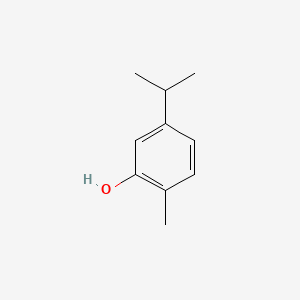
Cosmetic-grade carvacrol is usually extracted from oregano or thyme essential oil. Industrial grades can be made from p-cymene, which is itself made either from terpenes (limonene, turpentine) or from petrochemical toluene and propylene.
In plain English
A pungent, oregano-scented compound used in fragrances and as a natural preservative booster. Usually extracted from oregano or thyme essential oil, though it can also be synthesized.
Natural alternatives with the same function
Dihydromyrcenol, a fresh, citrus-lime, slightly metallic fragrance ingredient used in many perfumes and cleaning products. It is made…
Abies Alba Cone Extract 100% natural originAn extract from fir tree cones that adds a fresh, forest-like scent to cosmetic products.
Abies Alba Leaf Oil 100% natural originEssential oil distilled from fir tree needles, used for its fresh, woody fragrance. A whole natural essential oil.
Abies Alba Needle Extract 100% natural originA fir-needle extract used mainly to add a fresh, woody scent to cosmetics. It comes from extracting the…
Abies Alba Needle Oil 100% natural originAn essential oil steam-distilled from the needles of the European silver fir. It gives fragrances and toiletries a…
Abies Balsamea Needle Extract 100% natural originA balsam fir needle extract used as a fragrance ingredient in cosmetics, made by extracting the needles of…
Structure
References
- 1ISO 16128-1:2016 and ISO 16128-2:2017 — Guidelines on technical definitions and criteria for natural and organic cosmetic ingredients and products. ISO, Geneva.
- 2Carvacrol. PubChem CID 10364. National Center for Biotechnology Information. pubchem.ncbi.nlm.nih.gov ↗
- 3CARVACROL. CosIng — European Commission cosmetic ingredient database. ec.europa.eu/cosing ↗
- 4CARVACROL. CosIng u2014 European Commission database for information on cosmetic substances and ingredients. https://ec.europa.eu/growth/tools-databases/cosing/search?search=CARVACROL