How we scored it
Where it comes from
Dominant modern feedstock is olive oil deodorizer distillate or sugarcane-fermentation-derived squalene (e.g. yeast-fermentation routes), hydrogenated to squalane. Shark liver oil was the historical source and is now largely phased out for sustainability reasons; all routes give the same natural-origin score.
The commercial production of squalane involves the hydrogenation of squalene. Squalene, a triterpene, is first extracted from vegetable oils, most commonly olive oil, but also from sugarcane or amaranth. The extraction process typically involves solvent extraction followed by purification steps to isolate the squalene.
Once purified squalene is obtained, it undergoes catalytic hydrogenation. This reaction converts the double bonds in the squalene molecule into single bonds, transforming it into the saturated hydrocarbon squalane. The hydrogenation is typically carried out using a metal catalyst, such as palladium or nickel, under moderate hydrogen pressure and temperature (e.g., 50-150 °C). The reaction is performed in a suitable solvent.
Following hydrogenation, the squalane is purified to remove any residual catalyst, unreacted squalene, or byproducts. This purification often involves distillation, filtration, and sometimes further treatment to ensure high purity suitable for cosmetic applications. The final product is a clear, colorless, odorless, and stable liquid.
In plain English
Squalane is a highly prized ingredient in skincare, known for its exceptional moisturizing and skin-softening properties. It's a saturated hydrocarbon, meaning it's very stable and doesn't easily react with other ingredients or degrade over time. This stability makes it an excellent choice for long-lasting hydration without feeling heavy or greasy on the skin.
What makes squalane particularly special is its origin. It's derived from squalene, a natural compound found in our skin's sebum, which helps keep it moisturized and protected. While our bodies produce squalene, the amount decreases with age. Fortunately, squalane for cosmetic use is primarily sourced from plants, most commonly olives or sugarcane. This plant-derived squalene is then processed to become squalane, making it a sustainable and renewable ingredient that mimics our skin's natural oils.
Structure
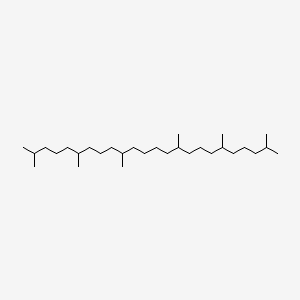
2,6,10,15,19,23-hexamethyltetracosane
References
- 1ISO 16128-1:2016 and ISO 16128-2:2017 — Guidelines on technical definitions and criteria for natural and organic cosmetic ingredients and products. ISO, Geneva.
- 2Squalane. PubChem CID 8089. National Center for Biotechnology Information. pubchem.ncbi.nlm.nih.gov ↗
- 3SQUALANE. CosIng — European Commission cosmetic ingredient database. ec.europa.eu/cosing ↗
- 4SQUALANE. CosIng u2014 European Commission database for information on cosmetic substances and ingredients. https://ec.europa.eu/growth/tools-databases/cosing/search?search=SQUALANE