How we scored it
Where it comes from
Lactic Acid is manufactured by fermenting dextrose from corn or sugar-beet/cane feedstocks with Lactobacillus bacteria, now the dominant global route. A minor petrochemical route via acetaldehyde and hydrogen cyanide exists but holds a small, shrinking share of supply.
The dominant industrial production of lactic acid relies on microbial fermentation. Carbohydrate feedstocks, such as glucose derived from corn starch or sucrose from sugarcane, are first hydrolyzed to simple sugars if necessary. These sugars are then fermented by specific strains of lactic acid bacteria (LAB), such as *Lactobacillus* species, under controlled anaerobic conditions. The fermentation typically occurs in bioreactors at temperatures ranging from 30-50°C and a pH of 5.0-6.5, often with the addition of calcium carbonate or calcium hydroxide to neutralize the acid produced and maintain optimal pH for bacterial growth and lactic acid accumulation.
Following fermentation, the lactic acid is typically present as a lactate salt (e.g., calcium lactate). To recover free lactic acid, the broth is acidified, commonly with sulfuric acid, which precipitates calcium sulfate (gypsum) and liberates lactic acid. The crude lactic acid solution is then subjected to a series of purification steps. These often include filtration to remove solids, ion exchange to remove residual salts and impurities, and activated carbon treatment for decolorization. Finally, distillation or crystallization is employed to obtain high-purity lactic acid suitable for cosmetic and food applications. The purity requirements for cosmetic grade lactic acid are stringent, necessitating efficient removal of residual sugars, proteins, and inorganic salts.
In plain English
Lactic acid is a gentle alpha-hydroxy acid (AHA) that occurs naturally in the body and is also found in fermented foods like yogurt. In cosmetics, it's primarily used for its exfoliating properties, helping to slough off dead skin cells and reveal brighter, smoother skin. It also acts as a humectant, attracting and retaining moisture, which contributes to skin hydration and a plumper appearance.
Cosmetically, lactic acid is almost exclusively produced through a natural process called fermentation. Microorganisms, like specific bacteria, are fed sugars derived from plants such as corn or sugarcane. These bacteria then convert the sugars into lactic acid. After the fermentation is complete, the lactic acid is carefully purified to ensure it's safe and effective for use in skincare products. This fermentation process means that the lactic acid used in your favorite serums and lotions is derived entirely from renewable, plant-based sources.
Structure
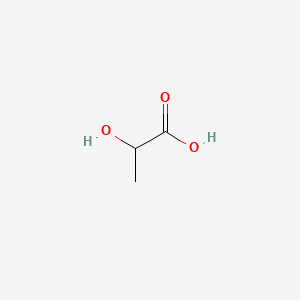
2-hydroxypropanoic acid
References
- 1ISO 16128-1:2016 and ISO 16128-2:2017 — Guidelines on technical definitions and criteria for natural and organic cosmetic ingredients and products. ISO, Geneva.
- 2Lactic Acid. PubChem CID 612. National Center for Biotechnology Information. pubchem.ncbi.nlm.nih.gov ↗
- 3LACTIC ACID. CosIng — European Commission cosmetic ingredient database. ec.europa.eu/cosing ↗
- 4LACTIC ACID. CosIng u2014 European Commission database for information on cosmetic substances and ingredients. https://ec.europa.eu/growth/tools-databases/cosing/search?search=LACTIC%20ACID