Why the score varies
This ingredient is made commercially by more than one route, and ISO 16128 scores the feedstock actually used. Without a supplier certificate of origin the value cannot be claimed.
| Route | Feedstock | NOI | Share | Notes |
|---|---|---|---|---|
| Petrochemical DL-malic acid + sodium | Maleic anhydride (benzene/butane) hydration; mineral sodium base | 0.26 | majority of global malic acid supply | |
| Fruit/fermentation L-malic acid + sodium | Apple or fermentation-derived L-malic acid; mineral sodium base | 1.00 | minority, natural-cosmetics suppliers |
How we scored it
Where it comes from
Made by neutralizing malic acid with sodium base. Most commercial malic acid comes from petrochemical maleic-anhydride hydration; a smaller fruit/fermentation-derived L-malic acid supply serves natural-cosmetics formulators.
In plain English
The sodium salt of a fruit acid, used as a humectant and skin-conditioning ingredient that helps draw and hold moisture in skin.
Natural alternatives with the same function
A stabilised, water-soluble form of vitamin C used as an antioxidant and humectant in skincare. It is made…
Acer Saccharum Sap 100% natural originSap tapped straight from sugar maple trees, used as a humectant to help skin hold onto moisture. It's…
Achillea Millefolium Flower Extract 100% natural originAn extract made from yarrow flowers, a plant long used in traditional herbal preparations. Used to help condition…
Acorus Gramineus Extract 100% natural originAn extract from the whole grass-leaved sweet flag plant, used to help skin retain moisture. It is a…
Acronychia Acidula Fruit Extract 100% natural originAn extract of lemon aspen, an Australian native fruit, used to condition skin and hair and help hold…
Adansonia Grandidieri Seed Oil 100% natural originA nourishing oil pressed from the seeds of the Madagascar baobab tree. It's used to condition skin and…
Structure
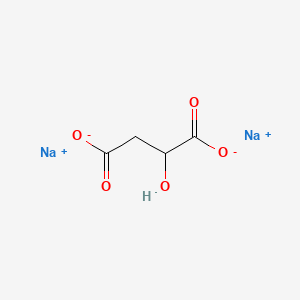
disodium;2-hydroxybutanedioate
References
- 1ISO 16128-1:2016 and ISO 16128-2:2017 — Guidelines on technical definitions and criteria for natural and organic cosmetic ingredients and products. ISO, Geneva.
- 2Sodium Malate. PubChem CID 8736. National Center for Biotechnology Information. pubchem.ncbi.nlm.nih.gov ↗
- 3SODIUM MALATE. CosIng — European Commission cosmetic ingredient database. ec.europa.eu/cosing ↗
- 4SODIUM MALATE. CosIng u2014 European Commission database for information on cosmetic substances and ingredients. https://ec.europa.eu/growth/tools-databases/cosing/search?search=SODIUM%20MALATE