How we scored it
How it’s made
Where it comes from
Lauryl Glucoside is manufactured by acid-catalyzed glycosidation of lauryl (dodecyl) alcohol, typically from coconut or palm kernel oil, with glucose derived from corn or wheat starch. Cosmetic-grade C12 fatty alcohol is assumed oleochemical, though a petrochemical Ziegler/oxo-process route exists for fatty alcohols generally, warranting a supplier check.
Lauryl glucoside is an alkyl polyglucoside (APG) surfactant produced through the Fischer glycosidation reaction. The primary industrial synthesis involves the direct reaction of lauryl alcohol with glucose in the presence of an acid catalyst. This reaction is typically carried out under vacuum at elevated temperatures, ranging from 100°C to 140°C, to facilitate the removal of water and drive the equilibrium towards product formation.
The reaction proceeds in two main steps. First, the alcohol reacts with glucose to form a mixture of mono-, di-, and oligoglucosides. The degree of polymerization (DP), which represents the average number of glucose units per lauryl chain, is controlled by the molar ratio of glucose to lauryl alcohol used in the reaction. A higher glucose ratio leads to a higher average DP.
Commonly used acid catalysts include sulfuric acid, p-toluenesulfonic acid, or solid acid catalysts. After the reaction is complete, the catalyst is neutralized, and excess reactants are removed. Purification steps typically involve distillation to remove unreacted lauryl alcohol and filtration to remove any solid impurities. The final product is usually an aqueous solution, often around 50% active content, which may also contain small amounts of unreacted alcohol and glucose.
Alternative synthesis routes exist, such as the transacetalization of glucose with a lauryl acetal, but the direct glycosidation method is the most commercially prevalent due to its efficiency and cost-effectiveness. The process is designed to minimize side reactions and ensure a high yield of the desired glucoside.
In plain English
Lauryl glucoside is a type of cleansing ingredient, often called a surfactant, that helps to lift dirt and oil from your skin and hair so they can be washed away. It's known for being very mild and gentle, making it a popular choice for sensitive skin and baby products. Because it's derived from natural sources, it's also considered a more environmentally friendly option compared to some traditional surfactants.
It's made by combining two natural ingredients: lauryl alcohol and glucose. Lauryl alcohol comes from plant oils like coconut or palm kernel oil, while glucose is a sugar derived from starches found in plants like corn or wheat. These ingredients are then reacted together under specific conditions with the help of a mild acid catalyst to create the final Lauryl glucoside molecule.
Think of it like building with natural blocks. The plant-derived alcohol and sugar are carefully joined together to form a molecule that can effectively clean without stripping the skin of its natural moisture. The process is designed to be efficient and to produce a high-quality ingredient that is safe and effective for use in a wide range of personal care products.
Structure
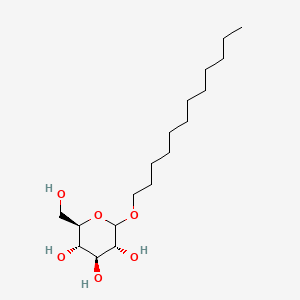
(3R,4S,5S,6R)-2-dodecoxy-6-(hydroxymethyl)oxane-3,4,5-triol
References
- 1ISO 16128-1:2016 and ISO 16128-2:2017 — Guidelines on technical definitions and criteria for natural and organic cosmetic ingredients and products. ISO, Geneva.
- 2Lauryl Glucoside. PubChem CID 10893439. National Center for Biotechnology Information. pubchem.ncbi.nlm.nih.gov ↗
- 3LAURYL GLUCOSIDE. CosIng — European Commission cosmetic ingredient database. ec.europa.eu/cosing ↗
- 4LAURYL GLUCOSIDE. CosIng u2014 European Commission database for information on cosmetic substances and ingredients. https://ec.europa.eu/growth/tools-databases/cosing/search?search=LAURYL%20GLUCOSIDE