How we scored it
How it’s made
Where it comes from
Wood-pulp or cotton cellulose etherified with petrochemical ethylene oxide (molar substitution 1.5 to 2.5).
The industrial synthesis of Hydroxyethylcellulose involves the chemical modification of cellulose. The process begins with alkalization of purified cellulose, typically using sodium hydroxide, to swell the cellulose fibers and make them more reactive. This step is crucial for opening up the crystalline structure of cellulose.
Following alkalization, the activated cellulose is reacted with ethylene oxide in a process called hydroxyethylation. This reaction is usually carried out under controlled temperature and pressure conditions, often in the presence of a solvent or as a slurry. The ethylene oxide reacts with the hydroxyl groups on the cellulose backbone, introducing hydroxyethyl (-OCH2CH2OH) side chains.
The degree of substitution (DS), which refers to the average number of hydroxyethyl groups per anhydroglucose unit of cellulose, can be controlled by adjusting the ratio of ethylene oxide to cellulose and the reaction conditions. After the reaction, the crude product is neutralized, washed to remove byproducts and unreacted reagents, and then dried and milled to the desired particle size. Purification steps are essential to ensure the removal of residual ethylene oxide, glycols, and salts, yielding a high-purity cosmetic-grade ingredient.
In plain English
Hydroxyethylcellulose is a common ingredient found in many cosmetic and personal care products, acting as a thickener and stabilizer. Think of it like a natural gelling agent that helps give lotions, creams, shampoos, and conditioners their desired texture and consistency. It prevents ingredients from separating and ensures the product spreads smoothly on your skin or hair.
It's made from cellulose, which is the main structural component of plants, like the fibers in wood or cotton. Through a chemical process, this plant-derived material is modified to create Hydroxyethylcellulose. This modification makes it soluble in water and gives it its thickening properties, while still maintaining its natural, renewable origin.
CosIng definition: Cellulose, 2-hydroxyethyl ether
Natural alternatives with the same function
Cellulose is a natural ingredient found in plants, making it the most abundant organic polymer on Earth. Think…
Cetearyl Alcohol 100% natural originCetearyl Alcohol is a type of fatty alcohol commonly used in skincare and haircare products. Think of it…
Cetyl Alcohol 100% natural originCetyl alcohol is a type of fatty alcohol, which are ingredients commonly found in skincare and haircare products.…
Hyaluronic Acid 100% natural originHyaluronic acid is a naturally occurring substance found in our skin, joints, and connective tissues. It's famous for…
Shea Butter 100% natural originShea butter comes from the nuts of the shea tree, which grows in West and Central Africa. It's…
Tapioca Starch 100% natural originTapioca starch is a natural ingredient derived from the root of the cassava plant, a tropical vegetable also…
Structure
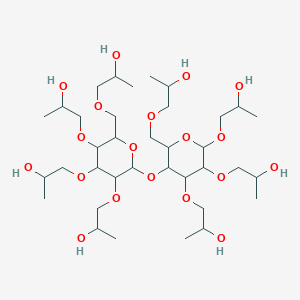
1-[[3,4,5-tris(2-hydroxypropoxy)-6-[4,5,6-tris(2-hydroxypropoxy)-2-(2-hydroxypropoxymethyl)oxan-3-yl]oxyoxan-2-yl]methoxy]propan-2-ol
References
- 1ISO 16128-1:2016 and ISO 16128-2:2017 — Guidelines on technical definitions and criteria for natural and organic cosmetic ingredients and products. ISO, Geneva.
- 2Hydroxyethylcellulose. PubChem CID 4327536. National Center for Biotechnology Information. pubchem.ncbi.nlm.nih.gov ↗
- 3HYDROXYETHYLCELLULOSE. CosIng — European Commission cosmetic ingredient database. ec.europa.eu/cosing ↗
- 4HYDROXYETHYLCELLULOSE. CosIng u2014 European Commission database for information on cosmetic substances and ingredients. https://ec.europa.eu/growth/tools-databases/cosing/search?search=HYDROXYETHYLCELLULOSE