How we scored it
Where it comes from
Palm-kernel or coconut palmitic acid hydrogenated to the C16 alcohol. Confirm oleochemical origin with the supplier.
Cetyl alcohol (hexadecanol) is a long-chain fatty alcohol. Industrially, it is primarily produced via two main routes: hydrogenation of fatty acids or their esters, or via the Ziegler process from ethylene.
The fatty acid route involves obtaining fatty acids, typically palmitic acid (C16:0), from the hydrolysis of triglycerides found in vegetable oils such as palm oil or coconut oil. These fatty acids are then esterified, often with methanol, to form methyl esters. The methyl esters are subsequently hydrogenated under high pressure (typically 200-300 bar) and temperature (200-250°C) using a copper chromite or other metal-based catalyst (e.g., Raney nickel or ruthenium). This process reduces the ester group to an alcohol, yielding cetyl alcohol.
Alternatively, the Ziegler process synthesizes fatty alcohols directly from ethylene. Ethylene is reacted with triethylaluminum at elevated temperatures and pressures to form aluminum alkyls. These aluminum alkyls are then oxidized with air to aluminum alkoxides, which are subsequently hydrolyzed with water or acid to yield a mixture of linear primary alcohols, including cetyl alcohol. The chain length distribution depends on the reaction conditions. This process is predominantly petrochemical-based.
Purification for both routes typically involves distillation to separate cetyl alcohol from other chain length alcohols, unreacted starting materials, and byproducts. The purity required for cosmetic applications is generally high, with minimal residual impurities.
In plain English
Cetyl alcohol is a type of fatty alcohol, which are ingredients commonly found in skincare and haircare products. Think of it as a waxy solid at room temperature that melts easily on skin contact. It's often used to give products a richer, smoother feel and to help keep the oil and water components of a lotion or cream from separating.
It can be made in a couple of ways. One common method involves taking natural oils, like those from coconuts or palm kernels, and processing them to get fatty acids. These are then chemically converted into cetyl alcohol. Another way is to use a petrochemical process that starts with ethylene, a building block derived from petroleum. Because both natural and petroleum-based routes are used commercially, it's considered to have a mixed origin.
Structure
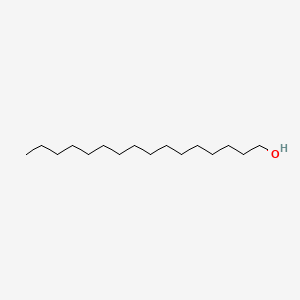
hexadecan-1-ol
References
- 1ISO 16128-1:2016 and ISO 16128-2:2017 — Guidelines on technical definitions and criteria for natural and organic cosmetic ingredients and products. ISO, Geneva.
- 2Cetyl Alcohol. PubChem CID 2682. National Center for Biotechnology Information. pubchem.ncbi.nlm.nih.gov ↗
- 3CETYL ALCOHOL. CosIng — European Commission cosmetic ingredient database. ec.europa.eu/cosing ↗
- 4CETYL ALCOHOL. CosIng u2014 European Commission database for information on cosmetic substances and ingredients. https://ec.europa.eu/growth/tools-databases/cosing/search?search=CETYL%20ALCOHOL