Why the score varies
This ingredient is made commercially by more than one route, and ISO 16128 scores the feedstock actually used. Without a supplier certificate of origin the value cannot be claimed.
| Route | Feedstock | NOI | Share | Notes |
|---|---|---|---|---|
| fermentation | corn/sugarcane/grain sugar fermentation | 1.00 | ~60-70% | |
| petrochemical | ethylene hydration | 0.00 | ~30-40% |
How we scored it
Where it comes from
Most cosmetic-grade ethanol is fermented from corn, sugarcane or grain sugars (dominant route). A minority is made synthetically by acid-catalysed hydration of petrochemical ethylene.
In plain English
Ethyl alcohol used as a solvent and astringent in cosmetics. It is usually made by fermenting plant sugars like corn or sugarcane, though some is manufactured from petroleum-based ethylene.
CosIng definition: Alcohol is undenatured ethyl alcohol that conforms to the formula:
Natural alternatives with the same function
Plain alcohol (ethanol) with an additive so it can't be drunk. Used as a solvent and to help…
Morus Alba Extract 100% natural originA white mulberry extract made from the whole plant, used to condition skin and as a humectant and…
Pinene 100% natural originA fresh, pine-smelling hydrocarbon used as a fragrance ingredient. It is the main component of turpentine and is…
Structure
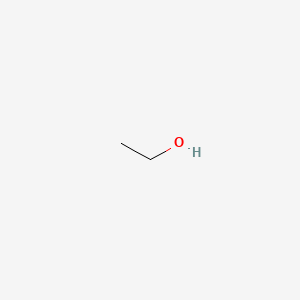
ethanol
References
- 1ISO 16128-1:2016 and ISO 16128-2:2017 — Guidelines on technical definitions and criteria for natural and organic cosmetic ingredients and products. ISO, Geneva.
- 2Alcohol. PubChem CID 702. National Center for Biotechnology Information. pubchem.ncbi.nlm.nih.gov ↗
- 3ALCOHOL. CosIng — European Commission cosmetic ingredient database. ec.europa.eu/cosing ↗
- 4ALCOHOL. CosIng u2014 European Commission database for information on cosmetic substances and ingredients. https://ec.europa.eu/growth/tools-databases/cosing/search?search=ALCOHOL