How we scored it
Lysine (fermentation amino acid) + HCl mineral-derived chloride counter-ion, both natural -> whole salt 1.0.
What counts. ISO 16128-2 scores the atoms that remain in the final ingredient. Reagents, solvents, catalysts and protecting groups used during manufacture leave no mass behind and are not counted.
Where it comes from
L-lysine is produced by fermenting plant-derived sugars with bacteria, then stabilised as its hydrochloride salt using mineral-derived hydrochloric acid. No petrochemical fragment is present.
In plain English
A stable salt form of the amino acid lysine, made by fermenting plant sugars and combining the result with a simple mineral acid. Helps condition hair and skin.
Structure
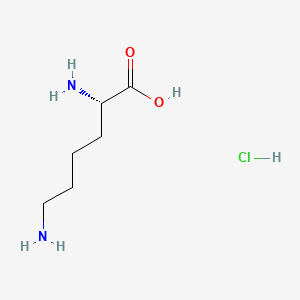
(2S)-2,6-diaminohexanoic acid;hydrochloride
References
- 1ISO 16128-1:2016 and ISO 16128-2:2017 — Guidelines on technical definitions and criteria for natural and organic cosmetic ingredients and products. ISO, Geneva.
- 2Lysine HCl. PubChem CID 69568. National Center for Biotechnology Information. pubchem.ncbi.nlm.nih.gov ↗
- 3LYSINE HCL. CosIng — European Commission cosmetic ingredient database. ec.europa.eu/cosing ↗
- 4LYSINE HCL. CosIng u2014 European Commission database for information on cosmetic substances and ingredients. https://ec.europa.eu/growth/tools-databases/cosing/search?search=LYSINE%20HCL