How we scored it
Where it comes from
Commercial sorbitol is manufactured by catalytic hydrogenation of glucose derived from corn or wheat starch. The hydrogen gas used leaves no mass in the product.
The industrial production of sorbitol involves the catalytic hydrogenation of D-glucose. This process typically utilizes a nickel-based catalyst (e.g., Raney nickel) or ruthenium catalysts, operating under elevated temperature and pressure conditions.
Glucose, sourced from the enzymatic or acid hydrolysis of starch, is dissolved in water to form an aqueous solution. This solution is then fed into a high-pressure reactor where it is mixed with hydrogen gas in the presence of the hydrogenation catalyst. The reaction converts the aldehyde group of glucose into a primary alcohol group, yielding sorbitol (a hexitol).
Typical reaction conditions involve temperatures ranging from 100 to 150°C and hydrogen pressures from 50 to 150 bar. After the reaction is complete, the catalyst is removed by filtration. The resulting sorbitol solution is then purified through a series of steps, which may include ion exchange to remove residual salts and catalyst traces, activated carbon treatment for decolorization, and finally evaporation to concentrate the sorbitol to the desired commercial form, often as a 70% aqueous solution or crystalline powder.
In plain English
Sorbitol is a sugar alcohol that's commonly found in nature and used in many cosmetic products. It's made from natural sources like corn or wheat. Think of it as a sugar that doesn't behave quite like regular sugar – it's less sweet and has different properties that are great for skincare.
In cosmetics, sorbitol acts as a humectant, meaning it attracts water from the air and helps keep your skin hydrated. This makes it a valuable ingredient in moisturizers, lotions, and serums, helping to prevent dryness and leaving your skin feeling soft and smooth. It also contributes to the texture and feel of cosmetic formulations.
CosIng definition: Sorbitol is the hexahydric alcohol that conforms to the formula
Structure
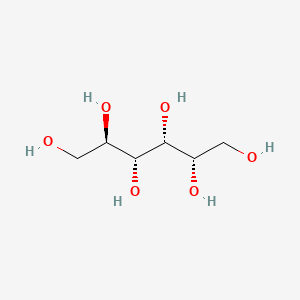
(2R,3R,4R,5S)-hexane-1,2,3,4,5,6-hexol
References
- 1ISO 16128-1:2016 and ISO 16128-2:2017 — Guidelines on technical definitions and criteria for natural and organic cosmetic ingredients and products. ISO, Geneva.
- 2Sorbitol. PubChem CID 5780. National Center for Biotechnology Information. pubchem.ncbi.nlm.nih.gov ↗
- 3SORBITOL. CosIng — European Commission cosmetic ingredient database. ec.europa.eu/cosing ↗
- 4SORBITOL. CosIng u2014 European Commission database for information on cosmetic substances and ingredients. https://ec.europa.eu/growth/tools-databases/cosing/search?search=SORBITOL