How we scored it
How it’s made
Where it comes from
Sodium lactate is made by fermenting sugars from corn or beet to lactic acid, then neutralizing with sodium hydroxide or carbonate. Essentially all commercial cosmetic-grade material follows this fermentation route.
Sodium lactate is synthesized through a straightforward neutralization reaction between lactic acid and a sodium source, typically sodium hydroxide or sodium carbonate. The lactic acid itself is primarily produced via microbial fermentation of carbohydrates. Common microorganisms used include species of Lactobacillus, Bacillus, and Rhizopus.
The fermentation process involves culturing these microorganisms in a nutrient-rich medium containing sugars. Under controlled conditions of temperature (typically 30-40°C) and pH, the microorganisms metabolize the sugars, producing lactic acid as a primary byproduct. The fermentation broth is then processed to isolate and purify the lactic acid.
Once purified lactic acid is obtained, it is reacted with a stoichiometric amount of a sodium base, such as sodium hydroxide (NaOH) or sodium carbonate (Na2CO3), in an aqueous solution. The reaction is exothermic and proceeds readily to form sodium lactate and water (if NaOH is used) or water and carbon dioxide (if Na2CO3 is used). The reaction is typically carried out at moderate temperatures, often below 100°C, to avoid degradation.
Following neutralization, the resulting sodium lactate solution is purified to remove any residual reactants, byproducts, or impurities. Purification steps commonly include filtration, ion exchange, and sometimes activated carbon treatment to ensure the high purity required for cosmetic and pharmaceutical applications. The final product is usually concentrated to the desired strength, often sold as a 60% aqueous solution.
In plain English
Sodium lactate is a common ingredient found in many skincare and cosmetic products, acting as a fantastic moisturizer. It's the sodium salt of lactic acid, a naturally occurring substance in our bodies and also produced by certain bacteria. Think of it as a humectant, meaning it draws moisture from the air and locks it into your skin, helping to keep it hydrated and supple.
What makes sodium lactate special is its origin. It's almost always made from lactic acid that comes from fermenting plant-based sugars, like those found in corn or sugarcane. This natural fermentation process is similar to how yogurt or sauerkraut is made. Because its starting materials are renewable and natural, sodium lactate is considered a '100% renewable' ingredient according to cosmetic industry standards.
Structure
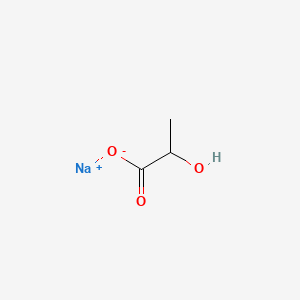
sodium 2-hydroxypropanoate
References
- 1ISO 16128-1:2016 and ISO 16128-2:2017 — Guidelines on technical definitions and criteria for natural and organic cosmetic ingredients and products. ISO, Geneva.
- 2Sodium Lactate. PubChem CID 23666456. National Center for Biotechnology Information. pubchem.ncbi.nlm.nih.gov ↗
- 3SODIUM LACTATE. CosIng — European Commission cosmetic ingredient database. ec.europa.eu/cosing ↗
- 4SODIUM LACTATE. CosIng u2014 European Commission database for information on cosmetic substances and ingredients. https://ec.europa.eu/growth/tools-databases/cosing/search?search=SODIUM%20LACTATE