How we scored it
Mineral base: Na (mineral counter-ion) + OH from water, both natural; 1.0.
What counts. ISO 16128-2 scores the atoms that remain in the final ingredient. Reagents, solvents, catalysts and protecting groups used during manufacture leave no mass behind and are not counted.
Where it comes from
Produced by electrolyzing a solution of natural salt (sodium chloride) brine, which also yields chlorine and hydrogen as co-products. No organic or petrochemical building blocks are involved.
In plain English
A strong alkali made from salt and water through electrolysis. Used in tiny amounts to adjust pH and, in some products, to alter hair structure.
Structure
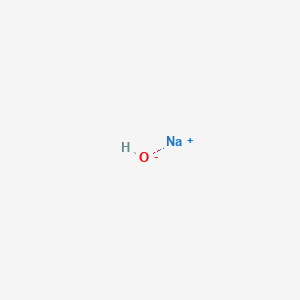
sodium hydroxide
References
- 1ISO 16128-1:2016 and ISO 16128-2:2017 — Guidelines on technical definitions and criteria for natural and organic cosmetic ingredients and products. ISO, Geneva.
- 2Sodium Hydroxide. PubChem CID 14798. National Center for Biotechnology Information. pubchem.ncbi.nlm.nih.gov ↗
- 3SODIUM HYDROXIDE. CosIng — European Commission cosmetic ingredient database. ec.europa.eu/cosing ↗
- 4SODIUM HYDROXIDE. CosIng u2014 European Commission database for information on cosmetic substances and ingredients. https://ec.europa.eu/growth/tools-databases/cosing/search?search=SODIUM%20HYDROXIDE