How we scored it
Vitamin B2; dominant modern route is microbial fermentation (Bacillus subtilis/Ashbya gossypii) on plant sugars. 1.0.
What counts. ISO 16128-2 scores the atoms that remain in the final ingredient. Reagents, solvents, catalysts and protecting groups used during manufacture leave no mass behind and are not counted.
Where it comes from
Produced industrially by large-scale fermentation of engineered Bacillus subtilis or Ashbya gossypii fed on plant sugars or vegetable oil. This fermentation route has largely displaced older chemical synthesis.
In plain English
Vitamin B2, used as a yellow-orange colorant and skin-conditioning ingredient. Made today mainly by fermenting plant sugar with special bacteria or fungi, similar to how some other vitamins are produced.
CosIng definition: Riboflavin is the organic compound that conforms to the formula:
Structure
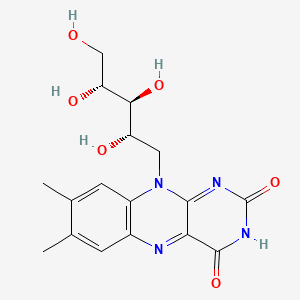
7,8-dimethyl-10-[(2S,3S,4R)-2,3,4,5-tetrahydroxypentyl]benzo[g]pteridine-2,4-dione
References
- 1ISO 16128-1:2016 and ISO 16128-2:2017 — Guidelines on technical definitions and criteria for natural and organic cosmetic ingredients and products. ISO, Geneva.
- 2Riboflavin. PubChem CID 493570. National Center for Biotechnology Information. pubchem.ncbi.nlm.nih.gov ↗
- 3RIBOFLAVIN. CosIng — European Commission cosmetic ingredient database. ec.europa.eu/cosing ↗
- 4RIBOFLAVIN. CosIng u2014 European Commission database for information on cosmetic substances and ingredients. https://ec.europa.eu/growth/tools-databases/cosing/search?search=RIBOFLAVIN