How we scored it
How it’s made
Where it comes from
Glycerin is predominantly a co-product of vegetable-oil transesterification (biodiesel) or oleochemical fatty-acid splitting and soap manufacture. A minor historical petrochemical route from propylene exists but is not significant in current cosmetic-grade supply.
Glycerin, also known as glycerol, is a simple polyol compound. Its primary industrial production route is as a co-product of the transesterification of triglycerides (fats and oils) with methanol to produce fatty acid methyl esters (biodiesel). This reaction, typically catalyzed by a strong base like sodium hydroxide or potassium hydroxide, occurs at moderate temperatures (around 60-70°C) and atmospheric pressure. The triglyceride molecule reacts with three molecules of methanol, yielding three molecules of fatty acid methyl ester and one molecule of glycerin.
Alternatively, glycerin can be produced through the saponification of fats and oils, where triglycerides are reacted with a strong alkali (like sodium hydroxide) to produce soap and glycerin. This older method is less common for large-scale glycerin production compared to the biodiesel co-product route. Historically, glycerin was also synthesized from petrochemical feedstocks, primarily propylene, through processes like the epichlorohydrin process. This involved chlorination of propylene to allyl chloride, followed by hypochlorous acid addition to form dichlorohydrins, which were then reacted with a base to yield epichlorohydrin. Finally, epichlorohydrin was hydrolyzed with a base or acid to produce glycerin. However, due to the abundance and cost-effectiveness of glycerin from biodiesel production, the petrochemical route is now largely uneconomical and not a significant source for cosmetic-grade glycerin.
Regardless of the production method, the crude glycerin obtained requires extensive purification to meet cosmetic and pharmaceutical standards. This purification typically involves multiple steps, including neutralization, removal of salts and methanol, distillation under vacuum to remove water and other impurities, and often treatment with activated carbon for decolorization and odor removal. The final product is a clear, colorless, viscous liquid with a high purity, typically exceeding 99.5%.
In plain English
Glycerin is a simple, colorless, and odorless liquid that is commonly found in many skincare and cosmetic products. It's a type of alcohol, but don't worry, it's very gentle and beneficial for your skin. Its main job in products is to attract water from the air and bind it to your skin, which helps to keep your skin hydrated and feeling soft and smooth. This makes it a fantastic ingredient for combating dryness.
Most of the glycerin used in cosmetics today comes from natural sources, primarily as a byproduct of making biodiesel fuel from vegetable oils like soybean or palm oil, or from animal fats. When these oils or fats are processed to create biodiesel, glycerin is naturally created alongside it. This natural origin means it's considered a renewable ingredient. While it can technically be made from petroleum, the vast majority of glycerin available today is derived from these plant or animal sources, making it a very sustainable choice.
CosIng definition: Glycerin is the polyhydric alcohol that conforms generally to the formula
Structure
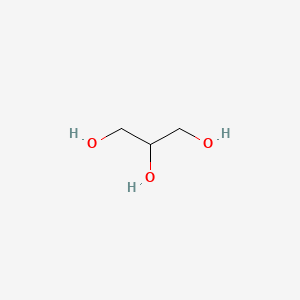
propane-1,2,3-triol
References
- 1ISO 16128-1:2016 and ISO 16128-2:2017 — Guidelines on technical definitions and criteria for natural and organic cosmetic ingredients and products. ISO, Geneva.
- 2Glycerin. PubChem CID 753. National Center for Biotechnology Information. pubchem.ncbi.nlm.nih.gov ↗
- 3GLYCERIN. CosIng — European Commission cosmetic ingredient database. ec.europa.eu/cosing ↗
- 4GLYCERIN. CosIng u2014 European Commission database for information on cosmetic substances and ingredients. https://ec.europa.eu/growth/tools-databases/cosing/search?search=GLYCERIN