How we scored it
C15H10O6 flavonol; treated as an isolated extraction product, not a fragment split, but the commercial route is uncertain.
What counts. ISO 16128-2 scores the atoms that remain in the final ingredient. Reagents, solvents, catalysts and protecting groups used during manufacture leave no mass behind and are not counted.
Where it comes from
Commercial fisetin is generally extracted and purified from plant sources such as smoke-tree (Cotinus) wood or fruit processing residues. A chemical or fermentation-based synthesis route may also exist but could not be confirmed as minor.
In plain English
A yellow plant pigment (flavonoid) used here as a skin-conditioning colorant, normally obtained by extracting and purifying it from wood or fruit sources. The exact manufacturing route could not be fully confirmed.
CosIng definition: Fisetin is the organic compound
Structure
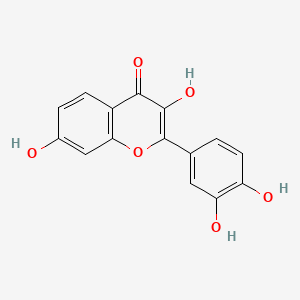
2-(3,4-dihydroxyphenyl)-3,7-dihydroxychromen-4-one
References
- 1ISO 16128-1:2016 and ISO 16128-2:2017 — Guidelines on technical definitions and criteria for natural and organic cosmetic ingredients and products. ISO, Geneva.
- 2Fisetin. PubChem CID 5281614. National Center for Biotechnology Information. pubchem.ncbi.nlm.nih.gov ↗
- 3FISETIN. CosIng — European Commission cosmetic ingredient database. ec.europa.eu/cosing ↗
- 4FISETIN. CosIng u2014 European Commission database for information on cosmetic substances and ingredients. https://ec.europa.eu/growth/tools-databases/cosing/search?search=FISETIN