How we scored it
Where it comes from
Erythritol is commercially manufactured by fermenting corn-starch-derived glucose syrup with osmophilic yeast (Moniliella or Yarrowia species), then crystallizing the product. This is the sole commercial production route; no petrochemical synthesis is used.
Erythritol is commercially produced through the microbial fermentation of carbohydrate substrates, predominantly glucose. This bioprocess utilizes osmotolerant yeasts, such as strains of Moniliella pollinis or Yarrowia lipolytica, which are capable of accumulating high intracellular concentrations of erythritol under hyperosmotic conditions.
The fermentation process typically occurs in large bioreactors under controlled conditions of temperature (around 30-35°C), pH (typically 4.0-6.0), and aeration. The hyperosmotic environment, often created by adding salts like potassium chloride or by using high substrate concentrations, is crucial for inducing erythritol production and accumulation. The yeast metabolizes the glucose, converting it into erythritol through a series of enzymatic steps, including the reduction of fructose-6-phosphate to erythrose-4-phosphate and subsequent reduction to erythritol.
Following fermentation, the erythritol is recovered from the fermentation broth. This involves separating the yeast cells, typically through centrifugation or filtration. The clarified broth then undergoes purification steps, which may include ion exchange chromatography to remove salts and other impurities, activated carbon treatment for decolorization, and finally crystallization. The crystallization process yields high-purity erythritol, which is then dried and milled to the desired particle size for cosmetic applications.
In plain English
Erythritol is a sugar alcohol that's naturally found in some fruits and fermented foods. In cosmetics, it's used as a humectant, meaning it helps your skin attract and retain moisture, leaving it feeling hydrated and soft. It's also known for its smooth, non-sticky feel on the skin, making it a pleasant ingredient in various skincare products.
This ingredient is produced through a natural fermentation process, similar to how yogurt or wine is made. Microorganisms, like specific yeasts, are fed sugars derived from plants, such as corn or wheat. Under controlled conditions, these microorganisms convert the plant-based sugars into erythritol. This makes it a highly sustainable and naturally derived ingredient, aligning with the growing demand for 'clean' beauty products.
CosIng definition: Erythritol is the organic compound that conforms to the formula: (structure)
Structure
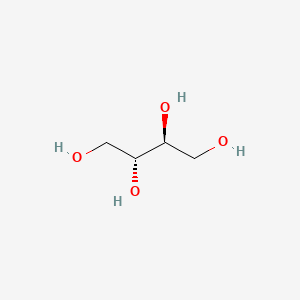
(2S,3R)-butane-1,2,3,4-tetrol
References
- 1ISO 16128-1:2016 and ISO 16128-2:2017 — Guidelines on technical definitions and criteria for natural and organic cosmetic ingredients and products. ISO, Geneva.
- 2Erythritol. PubChem CID 222285. National Center for Biotechnology Information. pubchem.ncbi.nlm.nih.gov ↗
- 3ERYTHRITOL. CosIng — European Commission cosmetic ingredient database. ec.europa.eu/cosing ↗
- 4ERYTHRITOL. CosIng u2014 European Commission database for information on cosmetic substances and ingredients. https://ec.europa.eu/growth/tools-databases/cosing/search?search=ERYTHRITOL