How we scored it
Where it comes from
Zinc ore smelted to metal and re-oxidised in air (French process), or precipitated from zinc salts. Entirely mineral origin.
The most common industrial method for producing cosmetic-grade zinc oxide is the direct or indirect (French) process. In the direct process, metallic zinc, typically obtained from the smelting and refining of zinc ores, is vaporized at high temperatures (around 900-1000°C) in a furnace. The zinc vapor is then oxidized by passing a stream of air over it, leading to the formation of fine zinc oxide particles. The reaction is highly exothermic: 2Zn(g) + O2(g) -> 2ZnO(s).
The indirect or French process involves melting high-purity metallic zinc (often 99.99% pure) in a crucible and then vaporizing it. The zinc vapor is subsequently oxidized by air, similar to the direct process. This method generally yields a finer and purer product, making it preferred for cosmetic applications. The purity of the starting metallic zinc is crucial, as impurities can affect the color and performance of the final zinc oxide.
Following the oxidation, the zinc oxide powder is cooled and collected, typically using bag filters or cyclones. Further purification steps may be employed, such as milling to achieve a specific particle size distribution or surface treatments to improve dispersibility and compatibility with cosmetic formulations. For use as a UV filter, micronized or nano-sized particles are often produced, requiring specialized milling techniques.
In plain English
Zinc oxide is a white powder that's been used for centuries to protect and soothe the skin. In cosmetics, it's famous for its ability to act as a physical barrier against the sun's harmful ultraviolet (UV) rays, making it a key ingredient in many sunscreens. It works by sitting on top of the skin and reflecting or scattering UV light away.
Structure
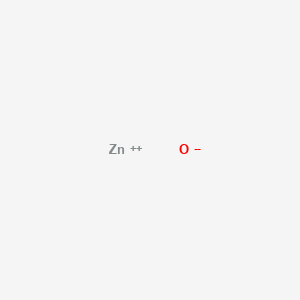
zinc oxygen(2-)
References
- 1ISO 16128-1:2016 and ISO 16128-2:2017 — Guidelines on technical definitions and criteria for natural and organic cosmetic ingredients and products. ISO, Geneva.
- 2Zinc Oxide. PubChem CID 3007857. National Center for Biotechnology Information. pubchem.ncbi.nlm.nih.gov ↗
- 3ZINC OXIDE. CosIng — European Commission cosmetic ingredient database. ec.europa.eu/cosing ↗
- 4Zinc oxide. CosIng u2014 European Commission database for information on cosmetic substances and ingredients. https://ec.europa.eu/growth/tools-databases/cosing/search?search=Zinc%20oxide