How we scored it
Inorganic calcium-phosphate mineral; Ca, phosphate and hydroxide all natural-origin per ISO convention. 1.0.
What counts. ISO 16128-2 scores the atoms that remain in the final ingredient. Reagents, solvents, catalysts and protecting groups used during manufacture leave no mass behind and are not counted.
Where it comes from
Sourced from pearl oyster shells, salmon bone, or phosphate rock, or precipitated synthetically from calcium and phosphate; all routes are mineral and natural-origin.
In plain English
A calcium-phosphate mineral, found naturally in bone and teeth or made to match that structure, sourced from shells, fish bone or phosphate rock. Used in toothpaste and skincare as a mild abrasive and conditioning agent.
CosIng definition: Hydroxyapatite is a mineral obtained from pearl oyster shells, salmon bones, phosphate rock, or derived synthetically. It conforms generally to the formula
Structure
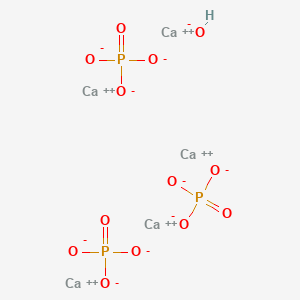
pentacalcium;hydroxide;triphosphate
References
- 1ISO 16128-1:2016 and ISO 16128-2:2017 — Guidelines on technical definitions and criteria for natural and organic cosmetic ingredients and products. ISO, Geneva.
- 2Hydroxyapatite. PubChem CID 14781. National Center for Biotechnology Information. pubchem.ncbi.nlm.nih.gov ↗
- 3HYDROXYAPATITE. CosIng — European Commission cosmetic ingredient database. ec.europa.eu/cosing ↗
- 4HYDROXYAPATITE. CosIng u2014 European Commission database for information on cosmetic substances and ingredients. https://ec.europa.eu/growth/tools-databases/cosing/search?search=HYDROXYAPATITE