How we scored it
Glutamic acid (fermentation) + coco fatty acid amide, disodium salt; all fragments natural. 1.0.
What counts. ISO 16128-2 scores the atoms that remain in the final ingredient. Reagents, solvents, catalysts and protecting groups used during manufacture leave no mass behind and are not counted.
Where it comes from
Glutamic acid, produced by fermentation of plant sugars, is acylated with coconut oil fatty acids and neutralised as the disodium salt. Entirely natural-origin, with no petrochemical building block.
In plain English
A mild, foam-boosting cleansing ingredient used in gentle face and body washes. Made from glutamic acid, an amino acid, combined with fatty acids from coconut oil, then neutralised with sodium. Fully natural-origin, derived from plants and fermentation.
CosIng definition: L-Glutamic acid, N-coco acyl derivs., disodium salts
Structure
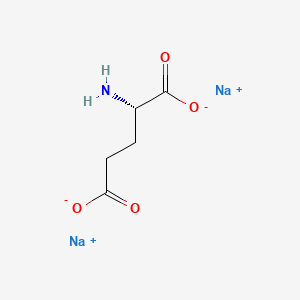
disodium;(2S)-2-aminopentanedioate
References
- 1ISO 16128-1:2016 and ISO 16128-2:2017 — Guidelines on technical definitions and criteria for natural and organic cosmetic ingredients and products. ISO, Geneva.
- 2Disodium Cocoyl Glutamate. PubChem CID 167560. National Center for Biotechnology Information. pubchem.ncbi.nlm.nih.gov ↗
- 3DISODIUM COCOYL GLUTAMATE. CosIng — European Commission cosmetic ingredient database. ec.europa.eu/cosing ↗
- 4DISODIUM COCOYL GLUTAMATE. CosIng u2014 European Commission database for information on cosmetic substances and ingredients. https://ec.europa.eu/growth/tools-databases/cosing/search?search=DISODIUM%20COCOYL%20GLUTAMATE