How we scored it
Whole molecule from natural cholesterol precursor converted by UV light; UV conversion adds no petrochemical reagent mass. 1.0.
What counts. ISO 16128-2 scores the atoms that remain in the final ingredient. Reagents, solvents, catalysts and protecting groups used during manufacture leave no mass behind and are not counted.
Where it comes from
Dominant commercial route irradiates 7-dehydrocholesterol from sheep's-wool lanolin with UV light; a lichen-derived vegan route also exists, both natural-origin.
In plain English
Vitamin D3, usually made from cholesterol (often derived from sheep's wool grease) converted by UV light. Used in skin and oral care products for its conditioning properties.
Structure
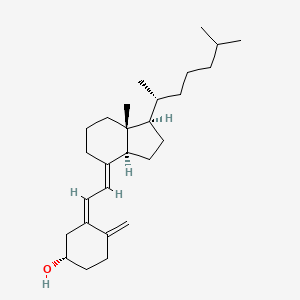
(1S,3Z)-3-[(2E)-2-[(1R,3aS,7aR)-7a-methyl-1-[(2R)-6-methylheptan-2-yl]-2,3,3a,5,6,7-hexahydro-1H-inden-4-ylidene]ethylidene]-4-methylidenecyclohexan-1-ol
References
- 1ISO 16128-1:2016 and ISO 16128-2:2017 — Guidelines on technical definitions and criteria for natural and organic cosmetic ingredients and products. ISO, Geneva.
- 2Cholecalciferol. PubChem CID 5280795. National Center for Biotechnology Information. pubchem.ncbi.nlm.nih.gov ↗
- 3CHOLECALCIFEROL. CosIng — European Commission cosmetic ingredient database. ec.europa.eu/cosing ↗
- 4CHOLECALCIFEROL. CosIng u2014 European Commission database for information on cosmetic substances and ingredients. https://ec.europa.eu/growth/tools-databases/cosing/search?search=CHOLECALCIFEROL