How we scored it
Where it comes from
Phosphorus oxychloride (mineral phosphorus) esterified with petrochemical phenol.
In plain English
A plasticiser made by combining phosphorus with three synthetic phenol molecules. A fully man-made industrial chemical, not naturally occurring.
CosIng definition: Triphenyl Phosphate is the organic compound that conforms to the formula:
Natural alternatives with the same function
A cooling, sharp-scented ingredient traditionally distilled from camphor tree wood, though most today is made from pine tree…
Diethyl Sebacate 100% natural originAn emollient and fragrance solvent made from sebacic acid, derived from castor oil, and ethanol. Both building blocks…
Epoxidized Soybean Oil 100% natural originSoybean oil that has had oxygen added across its double bonds to form epoxide rings, improving stability. Used…
Isosorbide Dicaprylate/Caprate 100% natural originA light, silky ester used as an emollient and plasticiser that softens skin and helps products spread. It…
Rhizobian Gum 100% natural originA polysaccharide gum made by fermenting sugars with Rhizobium bacteria. Used to form films, fix hairstyles, and control…
Tilia Tomentosa Bud Extract 100% natural originA soothing plant extract made from linden tree buds, used to condition skin and hair. It comes directly…
Structure
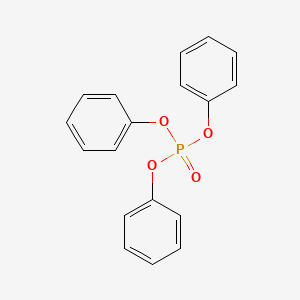
triphenyl phosphate
References
- 1ISO 16128-1:2016 and ISO 16128-2:2017 — Guidelines on technical definitions and criteria for natural and organic cosmetic ingredients and products. ISO, Geneva.
- 2Triphenyl Phosphate. PubChem CID 8289. National Center for Biotechnology Information. pubchem.ncbi.nlm.nih.gov ↗
- 3TRIPHENYL PHOSPHATE. CosIng — European Commission cosmetic ingredient database. ec.europa.eu/cosing ↗
- 4TRIPHENYL PHOSPHATE. CosIng u2014 European Commission database for information on cosmetic substances and ingredients. https://ec.europa.eu/growth/tools-databases/cosing/search?search=TRIPHENYL%20PHOSPHATE