How we scored it
Where it comes from
Stearic acid from vegetable or animal fat is neutralised with triethanolamine, which is produced by reacting ethylene oxide with ammonia. No natural-origin amine is used commercially in this salt.
In plain English
A soap-like salt of stearic acid and triethanolamine used to emulsify oils and water and to help cleanse. The stearic acid comes from vegetable or animal fat; triethanolamine is made from petrochemical ethylene oxide and ammonia.
Natural alternatives with the same function
An extract from yarrow, a traditional herb, used to refresh and condition skin and help control oiliness. It's…
Achillea Millefolium Oil 100% natural originAn essential oil steam-distilled from yarrow flowers, used for its scent and soothing, cleansing properties. It comes directly…
Alpha-Glucan Oligosaccharide 100% natural originA short chain of glucose sugar units made by fermenting sucrose with a bacterial enzyme. Used to cleanse,…
Arachidic Acid 100% natural originA waxy fatty acid from peanut and other vegetable oils, used to thicken formulas and give creams and…
Babassu Acid 100% natural originA blend of fatty acids from babassu palm seed oil, used to cleanse and help stabilise the texture…
Behenic Acid 100% natural originA long-chain fatty acid from vegetable oil, used to thicken and stabilise creams and conditioners. It is extracted…
Structure
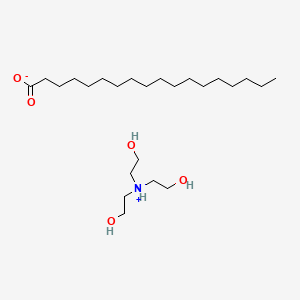
octadecanoate;tris(2-hydroxyethyl)azanium
References
- 1ISO 16128-1:2016 and ISO 16128-2:2017 — Guidelines on technical definitions and criteria for natural and organic cosmetic ingredients and products. ISO, Geneva.
- 2TEA-Stearate. PubChem CID 20701. National Center for Biotechnology Information. pubchem.ncbi.nlm.nih.gov ↗
- 3TEA-STEARATE. CosIng — European Commission cosmetic ingredient database. ec.europa.eu/cosing ↗
- 4TEA-STEARATE. CosIng u2014 European Commission database for information on cosmetic substances and ingredients. https://ec.europa.eu/growth/tools-databases/cosing/search?search=TEA-STEARATE