How we scored it
Where it comes from
Produced almost entirely by petrochemical oxidation of propionaldehyde (from ethylene hydroformylation). A Propionibacterium fermentation route exists for niche natural-labelled supply but is a small fraction of output.
In plain English
A small acid used to fight microbes, adjust pH, or add scent. Nearly all commercial supply is made from petroleum-derived ethylene, though a minor fermentation-based source exists.
CosIng definition: Propionic Acid is the organic acid that conforms to the formula:
Natural alternatives with the same function
An extract of the whole Korean mint plant (Agastache rugosa), made by soaking the plant in a solvent…
Ajuga Reptans Leaf Extract 100% natural originAn extract of the leaves of bugle (Ajuga reptans), a low-growing plant of the mint family, made by…
Alcohol Denat. 100% natural originPlain alcohol (ethanol) with an additive so it can't be drunk. Used as a solvent and to help…
Alpinia Zerumbet Leaf Extract 100% natural originAn extract of shell ginger leaves, used to help control oiliness and support skin's natural defences.
Aluminum Hydroxide Oxide 100% natural originA white mineral powder (boehmite) made from bauxite ore. It is listed in cosmetic ingredient databases for astringent,…
Antrodia Cinnamomea Extract 100% natural originAn extract from a Taiwanese medicinal fungus, used in skincare for its antioxidant and skin-protecting properties. Produced by…
Structure
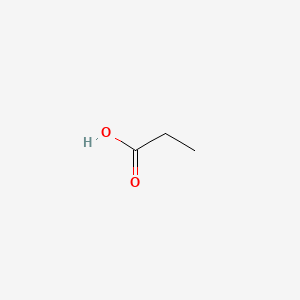
propanoic acid
References
- 1ISO 16128-1:2016 and ISO 16128-2:2017 — Guidelines on technical definitions and criteria for natural and organic cosmetic ingredients and products. ISO, Geneva.
- 2Propionic Acid. PubChem CID 1032. National Center for Biotechnology Information. pubchem.ncbi.nlm.nih.gov ↗
- 3PROPIONIC ACID. CosIng — European Commission cosmetic ingredient database. ec.europa.eu/cosing ↗
- 4PROPIONIC ACID. CosIng u2014 European Commission database for information on cosmetic substances and ingredients. https://ec.europa.eu/growth/tools-databases/cosing/search?search=PROPIONIC%20ACID