How we scored it
Where it comes from
Synthesized from diethylenetriamine and monochloroacetic acid, both petrochemical intermediates from ethylene and chlorine chemistry. No natural-origin production route is used commercially.
In plain English
A synthetic chelating agent that locks onto trace metal ions in a formula to stop them degrading fragrance or causing discoloration. Made entirely from petroleum-derived chemical building blocks.
CosIng definition: Pentetic Acid is the substituted amine that conforms to the formula:
Natural alternatives with the same function
An extract of the leaves of bugle (Ajuga reptans), a low-growing plant of the mint family, made by…
Bismuth Citrate 100% natural originA salt formed from bismuth metal and citric acid, a natural fermentation-derived fruit acid, used to buffer, chelate…
Calcium Gluconate 100% natural originThe calcium salt of gluconic acid, a mild acid made by fermenting sugar. Used to supply calcium and…
Citric Acid 100% natural originAn acid made by fermenting sugars with a natural mold, chemically the same acid found in citrus fruit.…
Citrus Medica Vulgaris Fruit Extract 100% natural originAn extract of the fruit of citron (cedrat), a large lemon-like citrus fruit, listed as an antioxidant and…
Cyclodextrin 100% natural originA ring-shaped sugar molecule, made by enzymes acting on plant starch, that can trap and hold other ingredients…
Structure
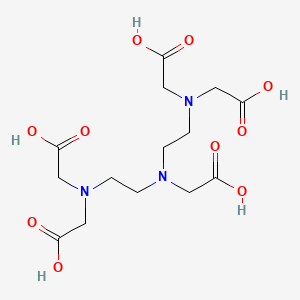
2-[bis[2-[bis(carboxymethyl)amino]ethyl]amino]acetic acid
References
- 1ISO 16128-1:2016 and ISO 16128-2:2017 — Guidelines on technical definitions and criteria for natural and organic cosmetic ingredients and products. ISO, Geneva.
- 2Pentetic Acid. PubChem CID 3053. National Center for Biotechnology Information. pubchem.ncbi.nlm.nih.gov ↗
- 3PENTETIC ACID. CosIng — European Commission cosmetic ingredient database. ec.europa.eu/cosing ↗
- 4PENTETIC ACID. CosIng u2014 European Commission database for information on cosmetic substances and ingredients. https://ec.europa.eu/growth/tools-databases/cosing/search?search=PENTETIC%20ACID