How we scored it
Where it comes from
Produced industrially by reduction of 2-nitrophenol, itself derived from petrochemical benzene/phenol. No natural-extraction route is used commercially.
In plain English
A hair dye intermediate that combines with other dye components to build colour in hair. It is a synthetic aromatic compound made from petrochemical feedstocks.
Natural alternatives with the same function
A powder made by drying and grinding sugar beet root. Used as a natural colorant for hair dye…
Bismuth Citrate 100% natural originA salt formed from bismuth metal and citric acid, a natural fermentation-derived fruit acid, used to buffer, chelate…
Dihydroxyacetone 100% natural originThe active self-tanning ingredient that reacts with skin's surface proteins to produce a temporary bronze colour; made by…
Epicatechin 100% natural originAn antioxidant compound naturally found in tea and cocoa, used in skin, hair and oral care. It's extracted…
Lawsonia Inermis Extract 100% natural originA plant extract from the henna shrub, used to condition hair and skin and add a reddish tint.…
Pyrogallol 100% natural originA hair-dye ingredient traditionally made by heating gallic acid, itself extracted from plant tannins in gallnuts, until it…
Structure
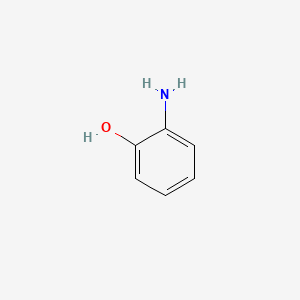
2-aminophenol
References
- 1ISO 16128-1:2016 and ISO 16128-2:2017 — Guidelines on technical definitions and criteria for natural and organic cosmetic ingredients and products. ISO, Geneva.
- 2o-Aminophenol. PubChem CID 5801. National Center for Biotechnology Information. pubchem.ncbi.nlm.nih.gov ↗
- 3O-AMINOPHENOL. CosIng — European Commission cosmetic ingredient database. ec.europa.eu/cosing ↗
- 4O-AMINOPHENOL. CosIng u2014 European Commission database for information on cosmetic substances and ingredients. https://ec.europa.eu/growth/tools-databases/cosing/search?search=O-AMINOPHENOL