How we scored it
Where it comes from
The lauryl sulfate portion is made by sulfating lauryl alcohol derived from coconut or palm kernel oil, then neutralised with monoethanolamine (MEA), which is manufactured from petrochemical ethylene oxide and ammonia.
In plain English
A cleansing ingredient made from coconut or palm-kernel fatty alcohol combined with a mild acid group and neutralised with an amine. Used in shampoos and washes to help water lift away oil and dirt.
Natural alternatives with the same function
An extract from yarrow, a traditional herb, used to refresh and condition skin and help control oiliness. It's…
Achillea Millefolium Oil 100% natural originAn essential oil steam-distilled from yarrow flowers, used for its scent and soothing, cleansing properties. It comes directly…
Alpha-Glucan Oligosaccharide 100% natural originA short chain of glucose sugar units made by fermenting sucrose with a bacterial enzyme. Used to cleanse,…
Arachidic Acid 100% natural originA waxy fatty acid from peanut and other vegetable oils, used to thicken formulas and give creams and…
Babassu Acid 100% natural originA blend of fatty acids from babassu palm seed oil, used to cleanse and help stabilise the texture…
Behenic Acid 100% natural originA long-chain fatty acid from vegetable oil, used to thicken and stabilise creams and conditioners. It is extracted…
Structure
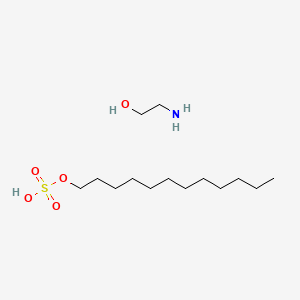
2-aminoethanol;dodecyl hydrogen sulfate
References
- 1ISO 16128-1:2016 and ISO 16128-2:2017 — Guidelines on technical definitions and criteria for natural and organic cosmetic ingredients and products. ISO, Geneva.
- 2MEA-Lauryl Sulfate. PubChem CID 78449. National Center for Biotechnology Information. pubchem.ncbi.nlm.nih.gov ↗
- 3MEA-LAURYL SULFATE. CosIng — European Commission cosmetic ingredient database. ec.europa.eu/cosing ↗
- 4MEA-LAURYL SULFATE. CosIng u2014 European Commission database for information on cosmetic substances and ingredients. https://ec.europa.eu/growth/tools-databases/cosing/search?search=MEA-LAURYL%20SULFATE