How we scored it
How it’s made
Where it comes from
Manufactured synthetically from benzaldehyde, itself made from petrochemical toluene, via cyanohydrin or chloral chemistry. Commercial production is not extracted from bitter almonds.
In plain English
An acid with mild antimicrobial and exfoliating properties used in skincare. It is manufactured synthetically from benzaldehyde, a petrochemical aromatic compound, rather than extracted from plants.
Natural alternatives with the same function
An extract of the whole Korean mint plant (Agastache rugosa), made by soaking the plant in a solvent…
Ajuga Reptans Leaf Extract 100% natural originAn extract of the leaves of bugle (Ajuga reptans), a low-growing plant of the mint family, made by…
Alcohol Denat. 100% natural originPlain alcohol (ethanol) with an additive so it can't be drunk. Used as a solvent and to help…
Alpinia Zerumbet Leaf Extract 100% natural originAn extract of shell ginger leaves, used to help control oiliness and support skin's natural defences.
Aluminum Hydroxide Oxide 100% natural originA white mineral powder (boehmite) made from bauxite ore. It is listed in cosmetic ingredient databases for astringent,…
Antrodia Cinnamomea Extract 100% natural originAn extract from a Taiwanese medicinal fungus, used in skincare for its antioxidant and skin-protecting properties. Produced by…
Structure
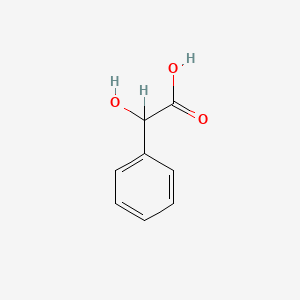
2-hydroxy-2-phenylacetic acid
References
- 1ISO 16128-1:2016 and ISO 16128-2:2017 — Guidelines on technical definitions and criteria for natural and organic cosmetic ingredients and products. ISO, Geneva.
- 2Mandelic Acid. PubChem CID 1292. National Center for Biotechnology Information. pubchem.ncbi.nlm.nih.gov ↗
- 3MANDELIC ACID. CosIng — European Commission cosmetic ingredient database. ec.europa.eu/cosing ↗
- 4MANDELIC ACID. CosIng u2014 European Commission database for information on cosmetic substances and ingredients. https://ec.europa.eu/growth/tools-databases/cosing/search?search=MANDELIC%20ACID