How we scored it
Where it comes from
Isopropyl acetate is made by esterifying isopropanol with acetic acid, both manufactured from propylene/methanol petrochemical streams. A minor fermentation-vinegar route to acetic acid exists but is not used for industrial solvent-grade material.
In plain English
A fast-evaporating solvent used to dissolve other ingredients, especially in nail products and fragrances. Made industrially by combining isopropanol and acetic acid, both produced from petrochemical feedstocks.
Natural alternatives with the same function
A ten-carbon diol (a chain with an alcohol group at each end), a waxy white solid used as…
Aqua 100% natural originPlain water, the most common cosmetic ingredient. It acts as the solvent base that dissolves and carries the…
Avena Sativa Seed Water 100% natural originAn oat hydrosol: the water collected when oat seeds are steam-distilled, used as a water-based solvent in skin…
C10-18 Triglycerides 100% natural originA light conditioning oil made from glycerin and a mix of plant fatty acids. It smooths and softens…
Caprylic/Capric Triglyceride 100% natural originCaprylic/Capric Triglyceride is a popular ingredient in skincare and cosmetics, often described as a "fractionated coconut oil" derivative.…
Coconut Alkanes 100% natural originA lightweight, silky emollient oil used as a natural alternative to silicone. It's made entirely from coconut oil…
Structure
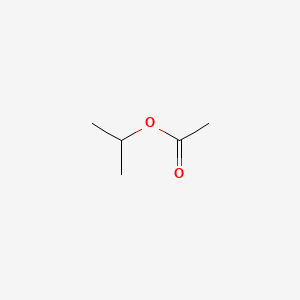
propan-2-yl acetate
References
- 1ISO 16128-1:2016 and ISO 16128-2:2017 — Guidelines on technical definitions and criteria for natural and organic cosmetic ingredients and products. ISO, Geneva.
- 2Isopropyl Acetate. PubChem CID 7915. National Center for Biotechnology Information. pubchem.ncbi.nlm.nih.gov ↗
- 3ISOPROPYL ACETATE. CosIng — European Commission cosmetic ingredient database. ec.europa.eu/cosing ↗
- 4ISOPROPYL ACETATE. CosIng u2014 European Commission database for information on cosmetic substances and ingredients. https://ec.europa.eu/growth/tools-databases/cosing/search?search=ISOPROPYL%20ACETATE