How we scored it
Where it comes from
Produced industrially by acid-catalysed alkylation of isobutane with isobutylene, both petroleum refinery streams. No natural or oleochemical route exists.
In plain English
A fast-evaporating solvent used to help dissolve other ingredients in cosmetic formulations. Made from petroleum refining, unrelated to plant oils.
Natural alternatives with the same function
A ten-carbon diol (a chain with an alcohol group at each end), a waxy white solid used as…
Aqua 100% natural originPlain water, the most common cosmetic ingredient. It acts as the solvent base that dissolves and carries the…
Avena Sativa Seed Water 100% natural originAn oat hydrosol: the water collected when oat seeds are steam-distilled, used as a water-based solvent in skin…
C10-18 Triglycerides 100% natural originA light conditioning oil made from glycerin and a mix of plant fatty acids. It smooths and softens…
Caprylic/Capric Triglyceride 100% natural originCaprylic/Capric Triglyceride is a popular ingredient in skincare and cosmetics, often described as a "fractionated coconut oil" derivative.…
Coconut Alkanes 100% natural originA lightweight, silky emollient oil used as a natural alternative to silicone. It's made entirely from coconut oil…
Structure
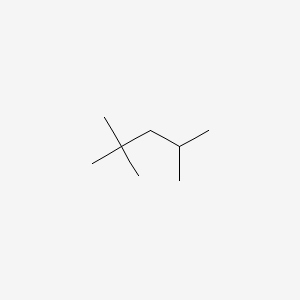
2,2,4-trimethylpentane
References
- 1ISO 16128-1:2016 and ISO 16128-2:2017 — Guidelines on technical definitions and criteria for natural and organic cosmetic ingredients and products. ISO, Geneva.
- 2Isooctane. PubChem CID 10907. National Center for Biotechnology Information. pubchem.ncbi.nlm.nih.gov ↗
- 3ISOOCTANE. CosIng — European Commission cosmetic ingredient database. ec.europa.eu/cosing ↗
- 4ISOOCTANE. CosIng u2014 European Commission database for information on cosmetic substances and ingredients. https://ec.europa.eu/growth/tools-databases/cosing/search?search=ISOOCTANE