How we scored it
How it’s made
Where it comes from
Made by reacting urea, produced from natural-gas-derived ammonia, with petrochemical ethylene oxide. Neither fragment is of renewable or plant origin under this site's convention.
In plain English
A gentle moisturising ingredient often used as an alternative to urea itself in sensitive-skin products. Made from ammonia derived from natural gas, reacted with an ethylene-oxide-derived group.
Natural alternatives with the same function
Shikakai fruit powder, made by drying and grinding the seed pods of the Acacia concinna plant. Traditionally used…
Acronychia Acidula Fruit Extract 100% natural originAn extract of lemon aspen, an Australian native fruit, used to condition skin and hair and help hold…
Actinidia Chinensis Fruit 100% natural originMaterial from the kiwi fruit used to condition skin and hair, supplying fruit sugars, acids and vitamins. It…
Adansonia Digitata Seed Oil 100% natural originAn oil pressed from baobab tree seeds, used to nourish and condition skin and hair. It is harvested…
Adansonia Grandidieri Seed Oil 100% natural originA nourishing oil pressed from the seeds of the Madagascar baobab tree. It's used to condition skin and…
Agastache Rugosa Extract 100% natural originAn extract of the whole Korean mint plant (Agastache rugosa), made by soaking the plant in a solvent…
Structure
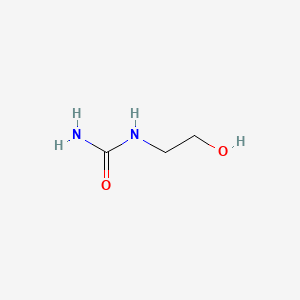
2-hydroxyethylurea
References
- 1ISO 16128-1:2016 and ISO 16128-2:2017 — Guidelines on technical definitions and criteria for natural and organic cosmetic ingredients and products. ISO, Geneva.
- 2Hydroxyethyl Urea. PubChem CID 73984. National Center for Biotechnology Information. pubchem.ncbi.nlm.nih.gov ↗
- 3HYDROXYETHYL UREA. CosIng — European Commission cosmetic ingredient database. ec.europa.eu/cosing ↗
- 4HYDROXYETHYL UREA. CosIng u2014 European Commission database for information on cosmetic substances and ingredients. https://ec.europa.eu/growth/tools-databases/cosing/search?search=HYDROXYETHYL%20UREA