How we scored it
How it’s made
Where it comes from
Manufactured by reacting petrochemical ethylenediamine with sodium chloroacetate (from chlorine and acetic acid), then partially neutralizing the resulting acid with sodium hydroxide. Only the sodium portion of the molecule is of mineral origin.
In plain English
A lab-made chelating ingredient, partly neutralized with sodium. Binds trace metal ions in a formula so they don't degrade fragrance, colour or preservatives.
Natural alternatives with the same function
An extract of the leaves of bugle (Ajuga reptans), a low-growing plant of the mint family, made by…
Bismuth Citrate 100% natural originA salt formed from bismuth metal and citric acid, a natural fermentation-derived fruit acid, used to buffer, chelate…
Calcium Gluconate 100% natural originThe calcium salt of gluconic acid, a mild acid made by fermenting sugar. Used to supply calcium and…
Citric Acid 100% natural originAn acid made by fermenting sugars with a natural mold, chemically the same acid found in citrus fruit.…
Citrus Medica Vulgaris Fruit Extract 100% natural originAn extract of the fruit of citron (cedrat), a large lemon-like citrus fruit, listed as an antioxidant and…
Cyclodextrin 100% natural originA ring-shaped sugar molecule, made by enzymes acting on plant starch, that can trap and hold other ingredients…
Structure
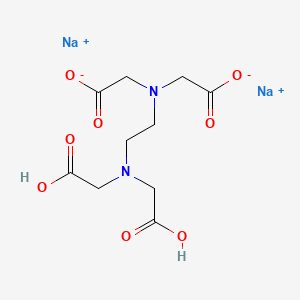
disodium;2-[2-[bis(carboxymethyl)amino]ethyl-(carboxylatomethyl)amino]acetate
References
- 1ISO 16128-1:2016 and ISO 16128-2:2017 — Guidelines on technical definitions and criteria for natural and organic cosmetic ingredients and products. ISO, Geneva.
- 2Disodium EDTA. PubChem CID 13020083. National Center for Biotechnology Information. pubchem.ncbi.nlm.nih.gov ↗
- 3DISODIUM EDTA. CosIng — European Commission cosmetic ingredient database. ec.europa.eu/cosing ↗
- 4DISODIUM EDTA. CosIng u2014 European Commission database for information on cosmetic substances and ingredients. https://ec.europa.eu/growth/tools-databases/cosing/search?search=DISODIUM%20EDTA