How we scored it
Where it comes from
Diammonium phosphate is made by neutralising phosphoric acid from mined phosphate rock with ammonia synthesised from natural gas. The mineral phosphate counts as natural; the ammonia does not.
In plain English
Diammonium phosphate is a mineral salt used to adjust pH and prevent corrosion in products like toothpaste. It's made by combining mined phosphate rock with ammonia.
Natural alternatives with the same function
A mineral salt used to buffer a formula's acidity and help prevent corrosion. It's made from naturally mined…
Disodium Phosphate 100% natural originA mineral salt that keeps a formula's acidity steady and helps prevent packaging corrosion. Made from mined phosphate…
Disodium Pyrophosphate 100% natural originA mineral salt derived from phosphate rock, used in toothpaste and cosmetics to prevent tartar buildup, adjust pH,…
Potassium Silicate 100% natural originA mineral salt used to prevent corrosion in a formula. It is made from potassium and silica, both…
Sodium Aluminate 100% natural originA mineral salt of sodium and aluminium used in small amounts to buffer pH and prevent corrosion in…
Sodium Hexametaphosphate 100% natural originA mineral salt of sodium and phosphate, chained together. Used to prevent corrosion, bind trace metals, and stabilise…
Structure
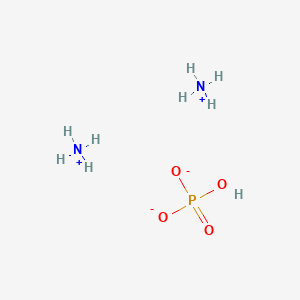
diazanium;hydrogen phosphate
References
- 1ISO 16128-1:2016 and ISO 16128-2:2017 — Guidelines on technical definitions and criteria for natural and organic cosmetic ingredients and products. ISO, Geneva.
- 2Diammonium Phosphate. PubChem CID 24540. National Center for Biotechnology Information. pubchem.ncbi.nlm.nih.gov ↗
- 3DIAMMONIUM PHOSPHATE. CosIng — European Commission cosmetic ingredient database. ec.europa.eu/cosing ↗
- 4DIAMMONIUM PHOSPHATE. CosIng u2014 European Commission database for information on cosmetic substances and ingredients. https://ec.europa.eu/growth/tools-databases/cosing/search?search=DIAMMONIUM%20PHOSPHATE