How we scored it
Where it comes from
Malonic acid is conventionally made via the cyanoacetic acid process from chloroacetic acid and sodium cyanide, a fully synthetic route. A newer fermentation-based (bio-malonic acid) route exists but its current share of cosmetic-grade supply is uncertain.
In plain English
A small acid used to adjust pH in formulas. It's typically made through industrial chemical synthesis rather than from plants. A newer plant-fermentation version exists but is less common.
Natural alternatives with the same function
An extract of the bark of Alstonia scholaris, a tropical evergreen tree, made by soaking the bark in…
Aluminum Lactate 100% natural originAluminum lactate is a mineral salt of lactic acid, used in deodorants for its astringent, sweat-reducing properties and…
Babassu Acid 100% natural originA blend of fatty acids from babassu palm seed oil, used to cleanse and help stabilise the texture…
Bismuth Citrate 100% natural originA salt formed from bismuth metal and citric acid, a natural fermentation-derived fruit acid, used to buffer, chelate…
Boric Acid 100% natural originA mild mineral acid mined from natural borate deposits or brine. Used in small amounts to buffer pH,…
Calcium Carbonate 100% natural originA finely ground mineral powder from limestone or chalk. Bulks out powders and pastes, acts as a mild…
Structure
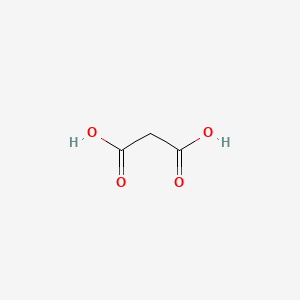
propanedioic acid
References
- 1ISO 16128-1:2016 and ISO 16128-2:2017 — Guidelines on technical definitions and criteria for natural and organic cosmetic ingredients and products. ISO, Geneva.
- 2Malonic Acid. PubChem CID 867. National Center for Biotechnology Information. pubchem.ncbi.nlm.nih.gov ↗
- 3MALONIC ACID. CosIng — European Commission cosmetic ingredient database. ec.europa.eu/cosing ↗
- 4MALONIC ACID. CosIng u2014 European Commission database for information on cosmetic substances and ingredients. https://ec.europa.eu/growth/tools-databases/cosing/search?search=MALONIC%20ACID