How we scored it
Isobutane (C4H10) is a fossil hydrocarbon separated from natural gas/petroleum refining; contains no natural-origin atoms → 0.0.
What counts. ISO 16128-2 scores the atoms that remain in the final ingredient. Reagents, solvents, catalysts and protecting groups used during manufacture leave no mass behind and are not counted.
Where it comes from
Commercially produced by fractionating natural gas liquids or catalytic isomerization of butane from petroleum refining. No commercially significant bio-based route exists for cosmetic-grade propellant isobutane.
In plain English
Isobutane is a gas derived from natural gas/petroleum processing, used as a propellant to spray aerosol products.
CosIng definition: Isobutane, less than 0.1% w/w butadiene
Natural alternatives with the same function
Carbon Dioxide
100% natural origin
A natural gas used to propel product out of aerosol cans. It's simply captured and compressed, most often…
Nitrogen 100% natural originAn inert gas used to push product out of pressurised containers, keeping the formula from contacting oxygen. It's…
Salvia Officinalis Leaf Oil 100% natural originAn essential oil steam-distilled from sage leaves, used as a fragrance ingredient and propellant. It comes directly from…
Structure
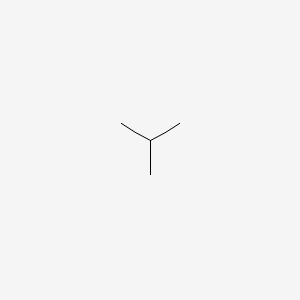
2-methylpropane
References
- 1ISO 16128-1:2016 and ISO 16128-2:2017 — Guidelines on technical definitions and criteria for natural and organic cosmetic ingredients and products. ISO, Geneva.
- 2Isobutane. PubChem CID 6360. National Center for Biotechnology Information. pubchem.ncbi.nlm.nih.gov ↗
- 3ISOBUTANE. CosIng — European Commission cosmetic ingredient database. ec.europa.eu/cosing ↗
- 4ISOBUTANE. CosIng u2014 European Commission database for information on cosmetic substances and ingredients. https://ec.europa.eu/growth/tools-databases/cosing/search?search=ISOBUTANE