How we scored it
Where it comes from
Recovered as a natural-gas-liquids/petroleum-refining stream and liquefied for use as an aerosol propellant. Bio-based butane exists but has negligible commercial share in cosmetic propellant supply.
In plain English
A flammable hydrocarbon gas used to propel aerosol sprays from the can. Obtained from natural gas processing or petroleum refining, not from renewable sources.
CosIng definition: Butane, less than 0.1% w/w butadiene
Natural alternatives with the same function
A natural gas used to propel product out of aerosol cans. It's simply captured and compressed, most often…
Nitrogen 100% natural originAn inert gas used to push product out of pressurised containers, keeping the formula from contacting oxygen. It's…
Salvia Officinalis Leaf Oil 100% natural originAn essential oil steam-distilled from sage leaves, used as a fragrance ingredient and propellant. It comes directly from…
Structure
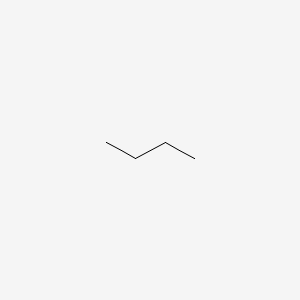
butane
References
- 1ISO 16128-1:2016 and ISO 16128-2:2017 — Guidelines on technical definitions and criteria for natural and organic cosmetic ingredients and products. ISO, Geneva.
- 2Butane. PubChem CID 7843. National Center for Biotechnology Information. pubchem.ncbi.nlm.nih.gov ↗
- 3BUTANE. CosIng — European Commission cosmetic ingredient database. ec.europa.eu/cosing ↗
- 4BUTANE. CosIng u2014 European Commission database for information on cosmetic substances and ingredients. https://ec.europa.eu/growth/tools-databases/cosing/search?search=BUTANE