How we scored it
How it’s made
Where it comes from
Ethylene oxide reacted with ethanol; both petrochemical in standard production. Confirm the ethanol source if a natural-origin fraction is claimed.
In plain English
A fast-penetrating solvent that helps fragrance and active ingredients absorb into skin. Built from alcohol reacted with two units of petrochemical ethylene oxide, so it is mostly synthetic.
Natural alternatives with the same function
A stabilised, water-soluble form of vitamin C used as an antioxidant and humectant in skincare. It is made…
Acer Saccharum Sap 100% natural originSap tapped straight from sugar maple trees, used as a humectant to help skin hold onto moisture. It's…
Achillea Millefolium Flower Extract 100% natural originAn extract made from yarrow flowers, a plant long used in traditional herbal preparations. Used to help condition…
Acorus Gramineus Extract 100% natural originAn extract from the whole grass-leaved sweet flag plant, used to help skin retain moisture. It is a…
Acronychia Acidula Fruit Extract 100% natural originAn extract of lemon aspen, an Australian native fruit, used to condition skin and hair and help hold…
Adansonia Grandidieri Seed Oil 100% natural originA nourishing oil pressed from the seeds of the Madagascar baobab tree. It's used to condition skin and…
Structure
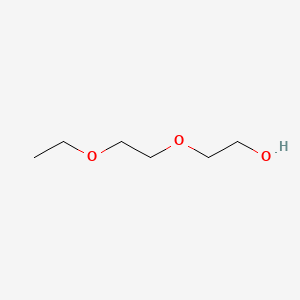
2-(2-ethoxyethoxy)ethanol
References
- 1ISO 16128-1:2016 and ISO 16128-2:2017 — Guidelines on technical definitions and criteria for natural and organic cosmetic ingredients and products. ISO, Geneva.
- 2Ethoxydiglycol. PubChem CID 8146. National Center for Biotechnology Information. pubchem.ncbi.nlm.nih.gov ↗
- 3ETHOXYDIGLYCOL. CosIng — European Commission cosmetic ingredient database. ec.europa.eu/cosing ↗
- 4ETHOXYDIGLYCOL. CosIng u2014 European Commission database for information on cosmetic substances and ingredients. https://ec.europa.eu/growth/tools-databases/cosing/search?search=ETHOXYDIGLYCOL