How we scored it
Where it comes from
Manufactured entirely by multistep organic synthesis from chlorobenzene, benzophenone and imidazole precursors. No natural or biosynthetic route is used commercially.
In plain English
A synthetic antifungal and antimicrobial active used in anti-dandruff and medicated products. Made entirely by chemical synthesis from petrochemical starting materials; not found in nature.
Natural alternatives with the same function
An extract from yarrow, a traditional herb, used to refresh and condition skin and help control oiliness. It's…
Achillea Millefolium Oil 100% natural originAn essential oil steam-distilled from yarrow flowers, used for its scent and soothing, cleansing properties. It comes directly…
Artemisia Annua Leaf Extract 100% natural originA leaf extract from sweet wormwood, used to condition skin and as a fragrance component. It is obtained…
Capryloyl Glycine 100% natural originA deodorant, anti-microbial ingredient made by combining coconut-derived caprylic acid with the amino acid glycine. Used in deodorants…
Capsicum Annuum Fruit Extract 100% natural originAn extract of chilli pepper fruit used to condition skin and hair and to give a warming, astringent…
Chelidonium Majus Extract 100% natural originAn extract of the leaves and stems of greater celandine, traditionally used on oily or flaky skin conditions.
Structure
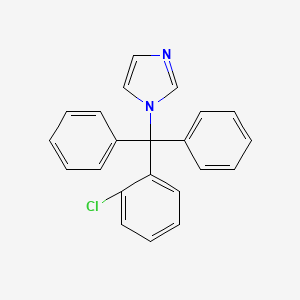
1-[(2-chlorophenyl)-diphenylmethyl]imidazole
References
- 1ISO 16128-1:2016 and ISO 16128-2:2017 — Guidelines on technical definitions and criteria for natural and organic cosmetic ingredients and products. ISO, Geneva.
- 2Clotrimazole. PubChem CID 2812. National Center for Biotechnology Information. pubchem.ncbi.nlm.nih.gov ↗
- 3CLOTRIMAZOLE. CosIng — European Commission cosmetic ingredient database. ec.europa.eu/cosing ↗
- 4CLOTRIMAZOLE. CosIng u2014 European Commission database for information on cosmetic substances and ingredients. https://ec.europa.eu/growth/tools-databases/cosing/search?search=CLOTRIMAZOLE