How we scored it
Where it comes from
Butoxydiglycol is manufactured by reacting butanol with two moles of ethylene oxide, both bulk petrochemical feedstocks. No natural or bio-based route is in significant commercial use for this solvent.
In plain English
A synthetic solvent that helps dissolve fragrance oils and other ingredients so they blend smoothly into a product. It's made from petrochemical butanol and ethylene oxide, common industrial building blocks, not from plants.
Natural alternatives with the same function
Dihydromyrcenol, a fresh, citrus-lime, slightly metallic fragrance ingredient used in many perfumes and cleaning products. It is made…
4-Terpineol 100% natural originA woody, peppery-smelling terpene alcohol and the main fragrant component of tea tree oil. It is used for…
Abies Alba Leaf Oil 100% natural originEssential oil distilled from fir tree needles, used for its fresh, woody fragrance. A whole natural essential oil.
Abies Balsamea Resin 100% natural originA sticky resin tapped from balsam fir trees, used for its piney scent and to form a thin…
Abies Sachalinensis Leaf Oil 100% natural originAn essential oil steam-distilled from Sakhalin fir needles, giving a fresh, woody fragrance to cosmetics and perfumes. It…
Abies Sibirica Oil 100% natural originA fresh, piney fragrance oil steam-distilled from Siberian fir needles and branches. It comes directly from the tree…
Structure
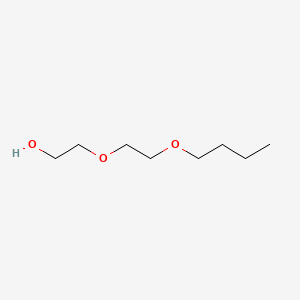
2-(2-butoxyethoxy)ethanol
References
- 1ISO 16128-1:2016 and ISO 16128-2:2017 — Guidelines on technical definitions and criteria for natural and organic cosmetic ingredients and products. ISO, Geneva.
- 2Butoxydiglycol. PubChem CID 8177. National Center for Biotechnology Information. pubchem.ncbi.nlm.nih.gov ↗
- 3BUTOXYDIGLYCOL. CosIng — European Commission cosmetic ingredient database. ec.europa.eu/cosing ↗
- 4BUTOXYDIGLYCOL. CosIng u2014 European Commission database for information on cosmetic substances and ingredients. https://ec.europa.eu/growth/tools-databases/cosing/search?search=BUTOXYDIGLYCOL