How we scored it
Where it comes from
Condensation of 3-diethylaminophenol with phthalic anhydride, isolated as the chloride salt.
In plain English
A bright pink-red synthetic dye used to colour cosmetic products. It is made entirely from petroleum-derived chemicals in a factory, not from plants or minerals.
Natural alternatives with the same function
Finely powdered aluminum metal used to add shimmer or color to cosmetics. It comes from refining bauxite ore,…
Aluminum Stearate 100% natural originAn aluminium salt of stearic acid, a fatty acid from vegetable or animal fat. Used to prevent caking,…
Anthocyanins 100% natural originA natural colorant that gives products red, purple or blue tones. It is recovered from grape skins or…
Calcium Ferrite 100% natural originA mineral pigment made of calcium and iron oxide, used as a colourant in cosmetics. It is produced…
Calcium Stearate 100% natural originThe calcium salt of stearic acid, a fatty acid usually from vegetable oils. Used as an anti-caking, thickening…
Caramel 100% natural originA colouring and fragrance ingredient made by heating sugar, sucrose or glucose, until it browns. It comes from…
Structure
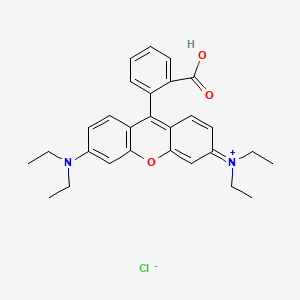
[9-(2-carboxyphenyl)-6-(diethylamino)xanthen-3-ylidene]-diethylazanium chloride
References
- 1ISO 16128-1:2016 and ISO 16128-2:2017 — Guidelines on technical definitions and criteria for natural and organic cosmetic ingredients and products. ISO, Geneva.
- 2Basic Violet 10. PubChem CID 6694. National Center for Biotechnology Information. pubchem.ncbi.nlm.nih.gov ↗
- 3BASIC VIOLET 10. CosIng — European Commission cosmetic ingredient database. ec.europa.eu/cosing ↗
- 4BASIC VIOLET 10. CosIng u2014 European Commission database for information on cosmetic substances and ingredients. https://ec.europa.eu/growth/tools-databases/cosing/search?search=BASIC%20VIOLET%2010