How we scored it
Where it comes from
Fermentation aspartic acid and phenylalanine, esterified with methanol.
In plain English
An intensely sweet flavouring made by joining two amino acids together with a small alcohol-derived cap. Mostly built from fermentation-derived building blocks, with one small synthetic piece.
Natural alternatives with the same function
A fragrance ingredient extracted from birch tree bark, giving products a natural woody scent note. It comes directly…
Bursera Graveolens Wood Oil 100% natural originA fragrant essential oil distilled from Palo Santo wood, used to scent perfumes and cosmetics. It comes straight…
Calendula Officinalis Flower Water 100% natural originA gentle floral water collected while steam-distilling calendula flowers. It carries the flower's scent and soothing properties with…
Carvone 100% natural originA minty, caraway-like fragrance and flavour ingredient obtained from caraway, dill or spearmint essential oil. It gives products…
Citrullus Lanatus Fruit Juice 100% natural originJuice pressed directly from watermelon fruit, used as a humectant to attract moisture to the skin. A simple,…
Citrus Aurantium Amara Leaf/Twig Oil 100% natural originA fragrant oil steam-distilled from the leaves and twigs of the bitter orange tree, known as petitgrain. It…
Structure
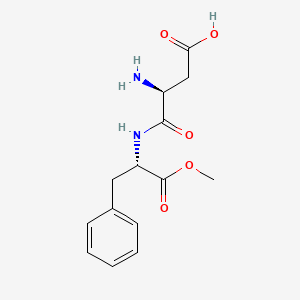
(3S)-3-amino-4-[[(2S)-1-methoxy-1-oxo-3-phenylpropan-2-yl]amino]-4-oxobutanoic acid
References
- 1ISO 16128-1:2016 and ISO 16128-2:2017 — Guidelines on technical definitions and criteria for natural and organic cosmetic ingredients and products. ISO, Geneva.
- 2Aspartame. PubChem CID 134601. National Center for Biotechnology Information. pubchem.ncbi.nlm.nih.gov ↗
- 3ASPARTAME. CosIng — European Commission cosmetic ingredient database. ec.europa.eu/cosing ↗
- 4ASPARTAME. CosIng u2014 European Commission database for information on cosmetic substances and ingredients. https://ec.europa.eu/growth/tools-databases/cosing/search?search=ASPARTAME