How we scored it
Where it comes from
Total chemical synthesis (aryl coupling and lactonisation).
In plain English
A compound related to substances the body produces from pomegranate and walnut compounds, used to condition skin. It's usually made by chemical synthesis rather than extracted from these fruits.
CosIng definition: Urolithin A is the organic compound that conforms to the formula:
Natural alternatives with the same function
An extract made from okra pods, used to condition skin in cosmetic formulas. Produced by extracting the fruit,…
Abelmoschus Manihot Flower Extract 100% natural originA flower extract from a hibiscus relative, used to condition and soothe skin. Made by extracting the flowers…
Abies Alba Extract 100% natural originAn extract of the European silver fir (Abies alba), a conifer from the mountains of Europe. It is…
Acacia Concinna Fruit Extract 100% natural originAn extract from shikakai fruit, a plant traditionally used in Indian hair and skin care. It conditions skin…
Acacia Dealbata Flower Extract 100% natural originAn extract of mimosa flowers used to help condition skin. Made by extracting compounds from the fragrant yellow…
Acacia Dealbata Flower Wax 100% natural originA soft wax from mimosa flowers used to condition skin and add emollience. It is derived directly from…
Structure
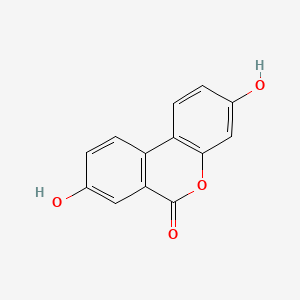
3,8-dihydroxybenzo[c]chromen-6-one
References
- 1ISO 16128-1:2016 and ISO 16128-2:2017 — Guidelines on technical definitions and criteria for natural and organic cosmetic ingredients and products. ISO, Geneva.
- 2Urolithin A. PubChem CID 5488186. National Center for Biotechnology Information. pubchem.ncbi.nlm.nih.gov ↗
- 3UROLITHIN A. CosIng — European Commission cosmetic ingredient database. ec.europa.eu/cosing ↗
- 4UROLITHIN A. CosIng u2014 European Commission database for information on cosmetic substances and ingredients. https://ec.europa.eu/growth/tools-databases/cosing/search?search=UROLITHIN%20A