How we scored it
Where it comes from
Made by reacting strontium carbonate, a mined mineral, with acetic acid, which is predominantly manufactured industrially from methanol and carbon monoxide. Fermentation-derived (vinegar) acetic acid is a minor alternative source.
In plain English
A strontium salt of acetic acid used in toothpaste to help soothe sensitive teeth. The strontium comes from mined minerals; the acetate part is usually made industrially.
Natural alternatives with the same function
An extract made from algae, used to soften and hydrate skin. It's drawn directly from harvested algae, with…
Aloe Barbadensis Leaf Extract 100% natural originAn extract of the soothing gel found inside aloe vera leaves, used to hydrate and calm skin. It…
Aluminum Fluoride 100% natural originA mineral salt used in some oral-care products to help protect teeth, supplying fluoride and aluminium ions.
Aluminum Magnesium Oxide 100% natural originA mineral powder (magnesium aluminate spinel) used to absorb oil and moisture, stop powders caking and add bulk,…
Bambusa Vulgaris Stem Extract 100% natural originAn extract from bamboo stems, used in oral-care products such as toothpaste. It is a plant-derived ingredient rich…
Bifida Ferment Extract Filtrate 100% natural originA liquid filtered from an extract of a fermented bacterial culture, listed for oral-care use. The bacteria are…
Structure
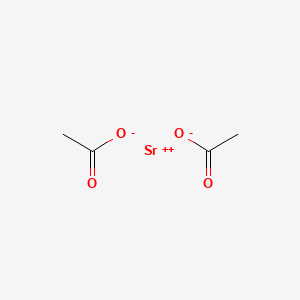
strontium diacetate
References
- 1ISO 16128-1:2016 and ISO 16128-2:2017 — Guidelines on technical definitions and criteria for natural and organic cosmetic ingredients and products. ISO, Geneva.
- 2Strontium Acetate. PubChem CID 10987. National Center for Biotechnology Information. pubchem.ncbi.nlm.nih.gov ↗
- 3STRONTIUM ACETATE. CosIng — European Commission cosmetic ingredient database. ec.europa.eu/cosing ↗
- 4STRONTIUM ACETATE. CosIng u2014 European Commission database for information on cosmetic substances and ingredients. https://ec.europa.eu/growth/tools-databases/cosing/search?search=STRONTIUM%20ACETATE