How we scored it
Where it comes from
Synthesised from cyclopentadiene and pyridine (Ziegler-Hafner) or indane-based routes. Blue chamomile or guaiazulene oils contain alkylated azulenes and are separate ingredients, not this compound.
In plain English
A deep blue hydrocarbon related to the blue compounds in chamomile oil, listed for skin soothing. Plain azulene is made in a laboratory from petrochemical starting materials rather than extracted from plants.
Natural alternatives with the same function
An extract made from okra pods, used to condition skin in cosmetic formulas. Produced by extracting the fruit,…
Abelmoschus Manihot Flower Extract 100% natural originA flower extract from a hibiscus relative, used to condition and soothe skin. Made by extracting the flowers…
Abies Alba Extract 100% natural originAn extract of the European silver fir (Abies alba), a conifer from the mountains of Europe. It is…
Acacia Concinna Fruit Extract 100% natural originAn extract from shikakai fruit, a plant traditionally used in Indian hair and skin care. It conditions skin…
Acacia Dealbata Flower Extract 100% natural originAn extract of mimosa flowers used to help condition skin. Made by extracting compounds from the fragrant yellow…
Acacia Dealbata Flower Wax 100% natural originA soft wax from mimosa flowers used to condition skin and add emollience. It is derived directly from…
Structure
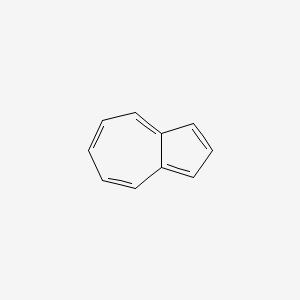
azulene
References
- 1ISO 16128-1:2016 and ISO 16128-2:2017 — Guidelines on technical definitions and criteria for natural and organic cosmetic ingredients and products. ISO, Geneva.
- 2Azulene. PubChem CID 9231. National Center for Biotechnology Information. pubchem.ncbi.nlm.nih.gov ↗
- 3AZULENE. CosIng — European Commission cosmetic ingredient database. ec.europa.eu/cosing ↗
- 4AZULENE. CosIng u2014 European Commission database for information on cosmetic substances and ingredients. https://ec.europa.eu/growth/tools-databases/cosing/search?search=AZULENE