How we scored it
How it’s made
Where it comes from
Starch-derived glucose hydrogenated to sorbitol, fermented and oxidised to 2-KLG, then lactonised. No petrochemical carbon enters the molecule.
The most common industrial synthesis of ascorbic acid is the Reichstein process, which begins with D-glucose. The first step involves the catalytic hydrogenation of D-glucose to D-sorbitol, typically using a Raney nickel catalyst under high pressure (around 100-150 bar) and temperature (100-150 °C). This is followed by microbial fermentation of D-sorbitol to L-sorbose using bacteria such as Acetobacter suboxydans. The L-sorbose is then chemically converted through a series of steps. It is first protected, typically by forming a diacetone derivative, followed by oxidation with potassium permanganate or electrolysis to yield 2-keto-L-gulonic acid (2-KLG). Finally, 2-KLG is isomerized in acidic conditions (e.g., using HCl or H2SO4) at elevated temperatures (around 80-100 °C) to form ascorbic acid.
Alternative routes exist, including direct fermentation of glucose to 2-keto-L-gulonic acid, which can then be converted to ascorbic acid. However, the Reichstein process, or variations thereof, remains the dominant industrial method. The purification of ascorbic acid involves crystallization from aqueous solutions, often with the addition of organic solvents like ethanol to improve crystal formation and purity. The final product is a white crystalline powder.
The process requires significant chemical inputs, including hydrogen gas for hydrogenation, acids and bases for pH adjustments and reactions, and potentially oxidizing agents. While the initial feedstock (glucose) is bio-based, the multi-step chemical transformations, reliance on catalysts, and energy-intensive nature of the process place its overall origin in the petrochemical category according to ISO 16128 guidelines, as the chemical synthesis steps are considered to be of petrochemical origin.
In plain English
Ascorbic acid is the scientific name for Vitamin C, a well-known antioxidant that plays a crucial role in skin health. In cosmetics, it's prized for its ability to protect the skin from damage caused by free radicals, which are unstable molecules that can accelerate aging. It also helps to brighten the complexion and can support collagen production, contributing to firmer, more youthful-looking skin.
While Vitamin C is naturally found in fruits and vegetables, the ascorbic acid used in skincare products is typically made through a complex industrial process. This process usually starts with glucose, a sugar derived from plants like corn. However, this plant-based sugar then undergoes a series of chemical reactions, often involving various reagents and catalysts, to transform it into pure ascorbic acid. Because of these extensive chemical modifications, it is classified as being of petrochemical origin according to the standards used for natural ingredients in cosmetics.
Structure
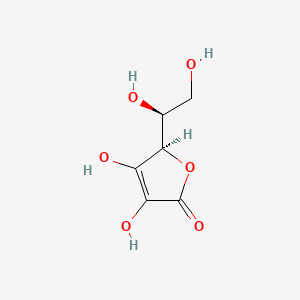
(2R)-2-[(1S)-1,2-dihydroxyethyl]-3,4-dihydroxy-2H-furan-5-one
References
- 1ISO 16128-1:2016 and ISO 16128-2:2017 — Guidelines on technical definitions and criteria for natural and organic cosmetic ingredients and products. ISO, Geneva.
- 2Ascorbic Acid. PubChem CID 54670067. National Center for Biotechnology Information. pubchem.ncbi.nlm.nih.gov ↗
- 3ASCORBIC ACID. CosIng — European Commission cosmetic ingredient database. ec.europa.eu/cosing ↗
- 4ASCORBIC ACID. CosIng u2014 European Commission database for information on cosmetic substances and ingredients. https://ec.europa.eu/growth/tools-databases/cosing/search?search=ASCORBIC%20ACID