Chemical Structure
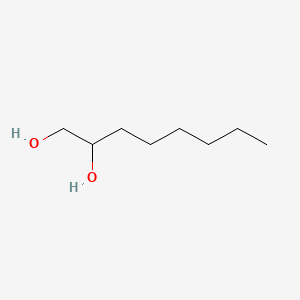
Learn about Caprylyl Glycol — its natural origin index (ISO 16128), feedstock sources, synthesis process, and renewability classification.
View full data on PubChem ↗Quick Facts
- INCI NameCaprylyl Glycol
- IUPAC Nameoctane-1,2-diol
- Molecular FormulaC8H18O2
- PubChem CID14231 ↗
- FunctionsSkin Conditioning AgentHumectantPreservative BoosterEmollient
- Primary FeedstockThe primary commercial feedstock for caprylyl glycol is derived from petrochemical sources, specifically through the hydrogenation of caprylic acid or its derivatives. Caprylic acid itself can be obtained from coconut or palm kernel oil, but the industrial synthesis of caprylyl glycol predominantly relies on petrochemical routes.
- NOI Score0.0 / 1.0
- Tier100% Petroleum
Description
Learn about Caprylyl Glycol — its natural origin index (ISO 16128), feedstock sources, synthesis process, and renewability classification.
References
- 1ISO 16128-2:2017 — Guidelines on technical definitions and criteria for natural and organic cosmetic ingredients and products — Part 2. ISO, Geneva.
- 2Caprylyl Glycol. National Center for Biotechnology Information. PubChem CID 14231. pubchem.ncbi.nlm.nih.gov ↗