Chemical Structure
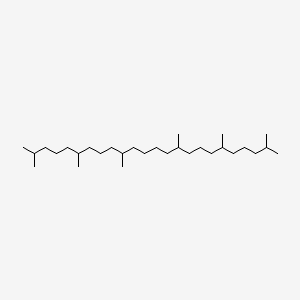
Learn about Squalane — its natural origin index (ISO 16128), feedstock sources, synthesis process, and renewability classification.
View full data on PubChem ↗Quick Facts
- INCI NameSqualane
- IUPAC Name2,6,10,15,19,23-hexamethyltetracosane
- Molecular FormulaC30H62
- PubChem CID8089 ↗
- FunctionsSkin Conditioning AgentEmollient
- Primary FeedstockThe primary commercial feedstock for squalane is squalene, which is extracted from natural sources like olives, sugarcane, or amaranth seeds. These plant-based sources are rich in squalene, a precursor that is then chemically modified.
- NOI Score1.0 / 1.0
- Tier100% Renewable
Description
Learn about Squalane — its natural origin index (ISO 16128), feedstock sources, synthesis process, and renewability classification.
References
- 1ISO 16128-2:2017 — Guidelines on technical definitions and criteria for natural and organic cosmetic ingredients and products — Part 2. ISO, Geneva.
- 2Squalane. National Center for Biotechnology Information. PubChem CID 8089. pubchem.ncbi.nlm.nih.gov ↗